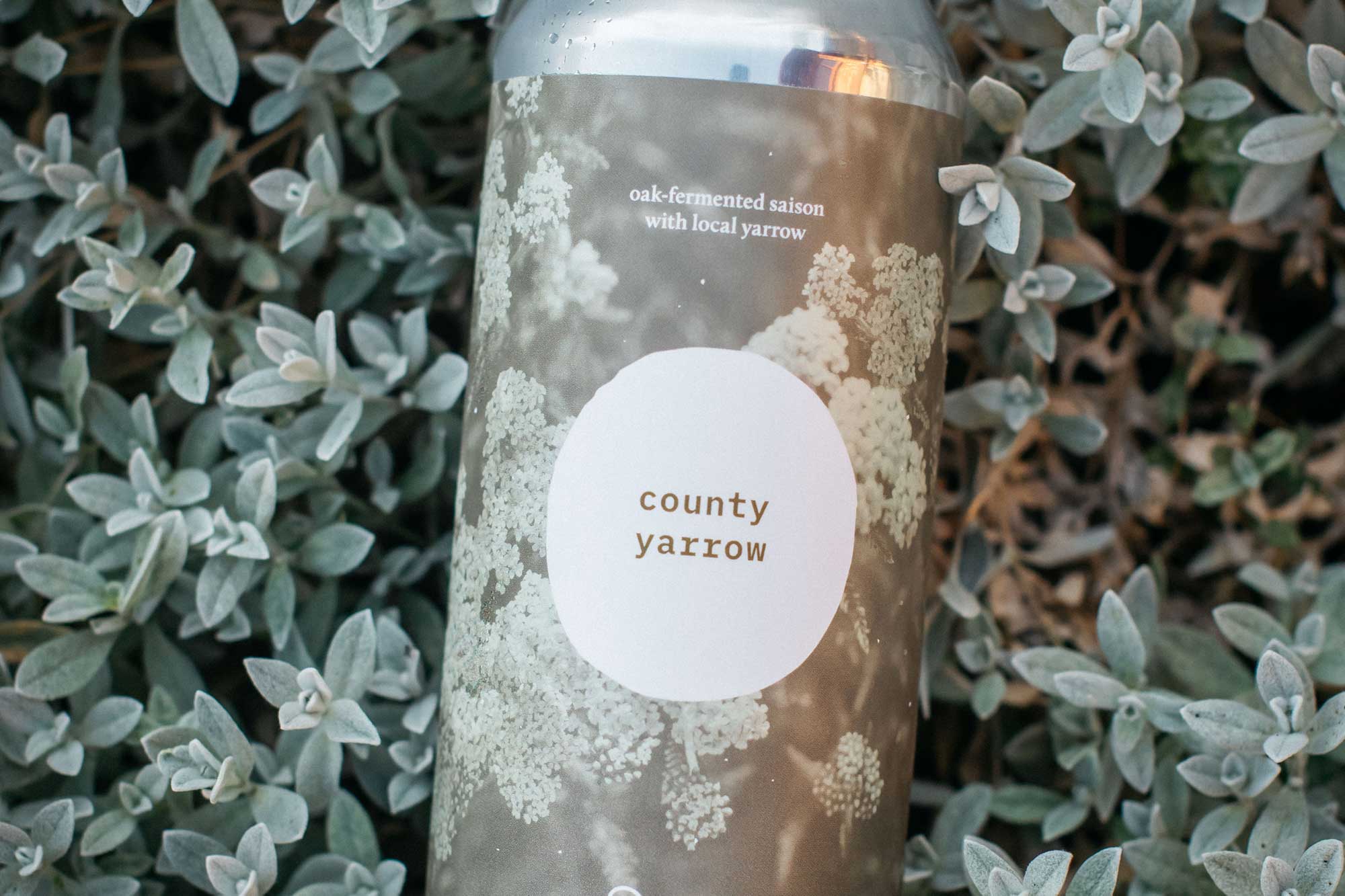
Recipe: Sway County Yarrow Saison
Sway founder and head brewer Matt Sampson shares this recipe for their saison brewed with locally foraged yarrow.
Jul 27, 2026

Award‑winning beer recipes across styles and skill levels. Filter by style or ingredients to find your next brew day.
Sway founder and head brewer Matt Sampson shares this recipe for their saison brewed with locally foraged yarrow.
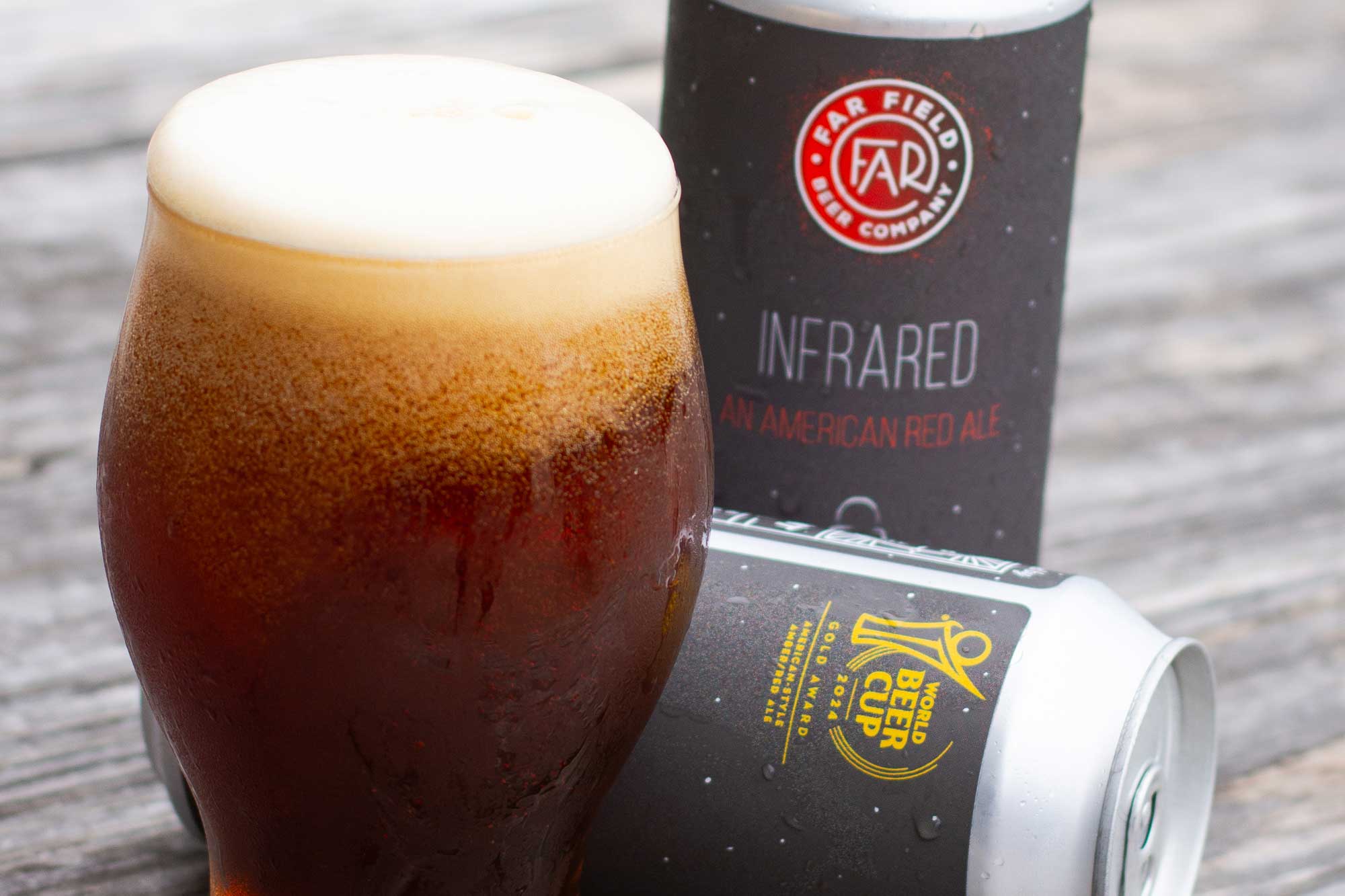
From Far Field Beer in Lawndale, California, in L.A.’s South Bay area, here’s a recipe for the American amber that won gold at the 2024 World Beer Cup.
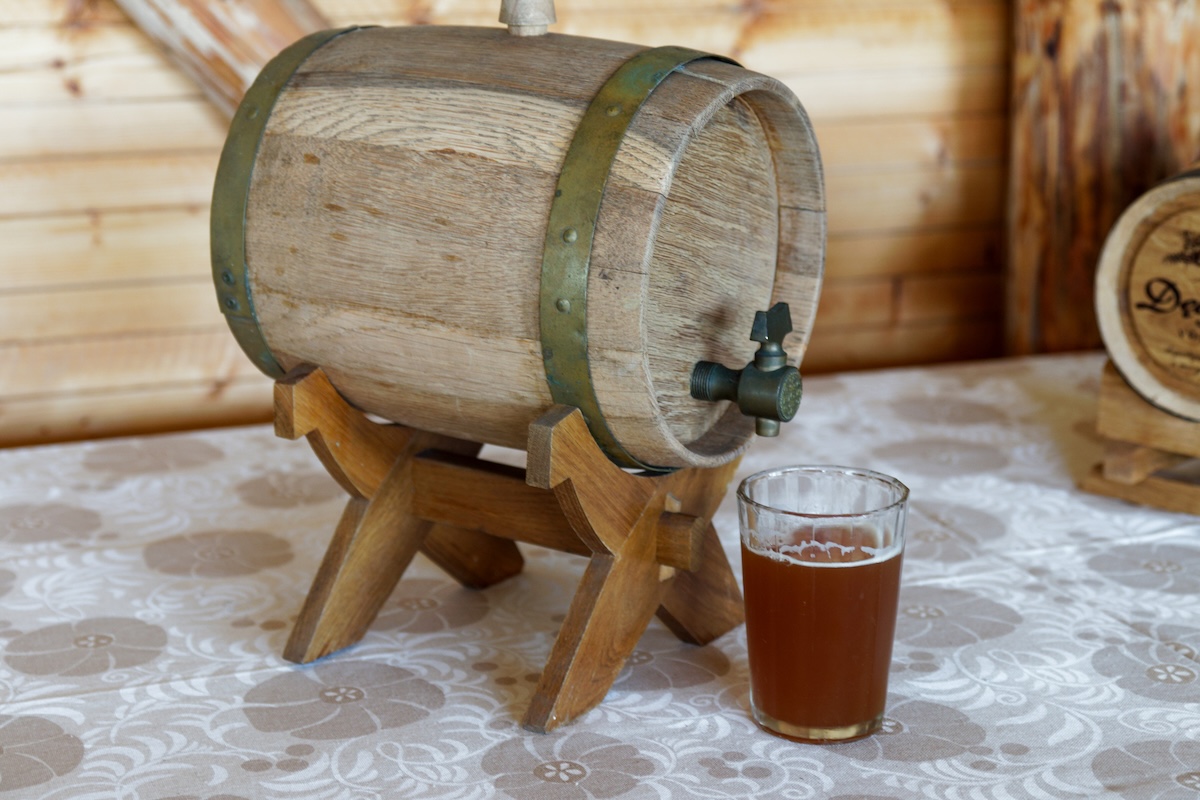
This recipe represents most of what we know about the traditional farmhouse style of Latgale in southeastern Latvia. Note that the bitterness and strength of these beers can vary widely—feel free to adjust the hops or pack more malt into your mash tun.
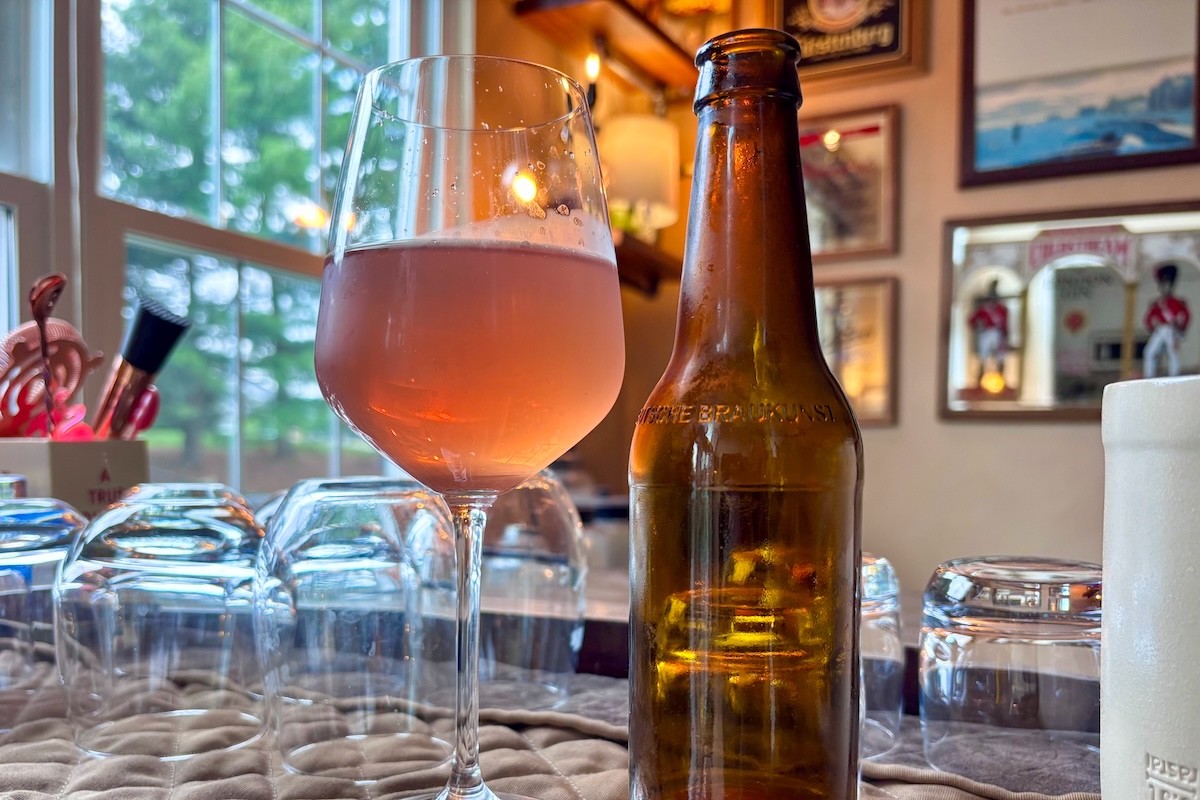
Made annually from the pears picked off the tree out back, this recipe for a dry perry represents how I do it at home.
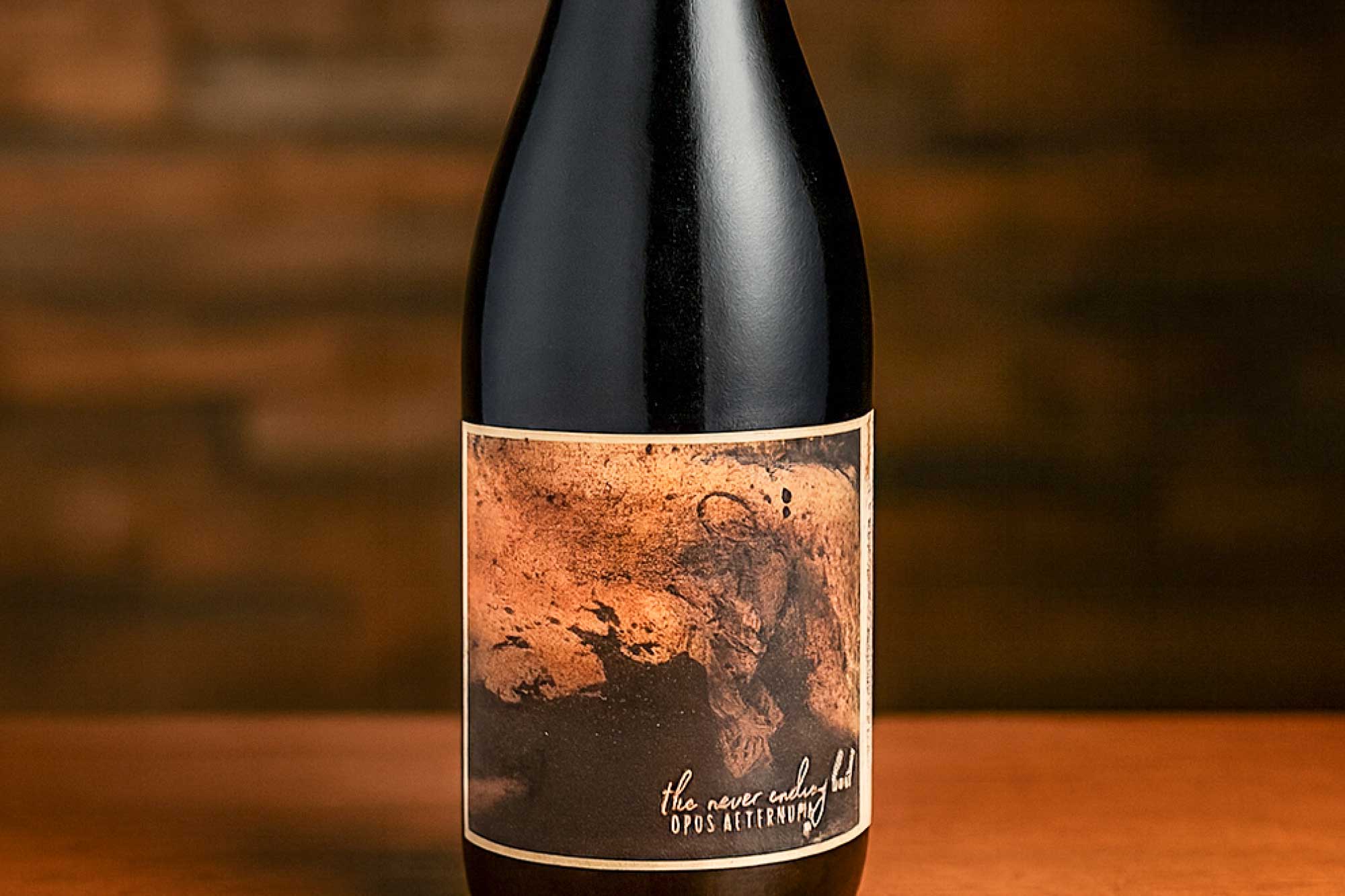
From South Africa’s Afro Caribbean and Soul Barrel breweries, this hefty barleywine of 17.5 percent ABV is based on a unique, experimental process involving a boil stretched out over six days.
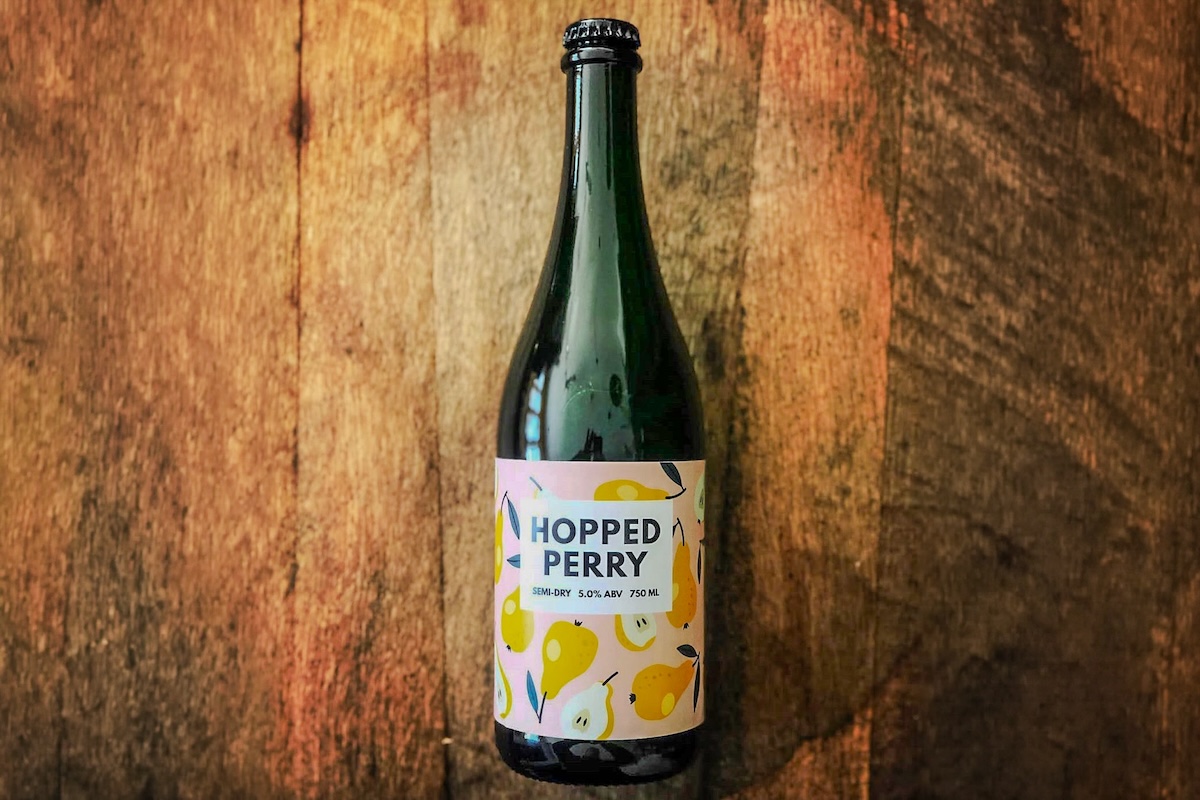
Newfoundland Cider shares this recipe for one of their small-batch perries, which undergoes a natural fermentation, ages on oak, and gets a final touch of Cascade and Centennial hops.
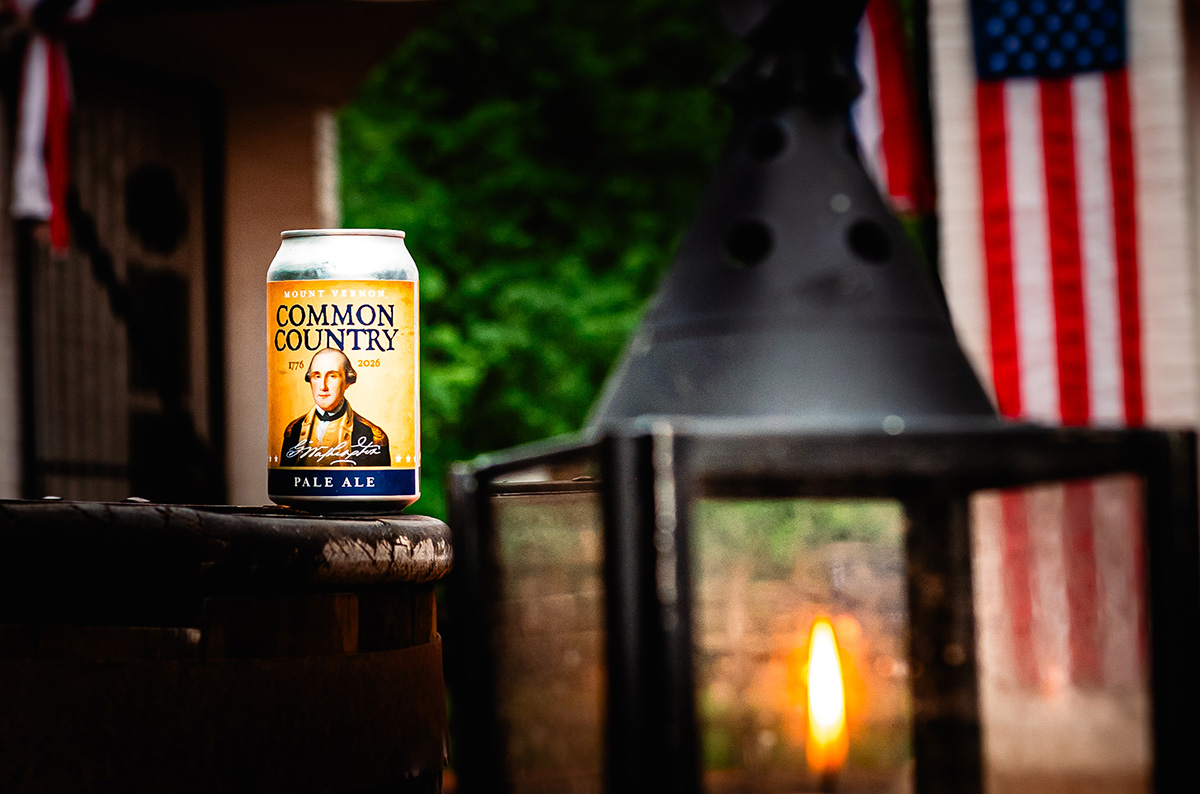
This colonial-era pale ale recipe—a collaboration with Mount Vernon to celebrate the 250th anniversary of the Declaration of Independence—takes a page right out of Martha Washington’s cookbook.
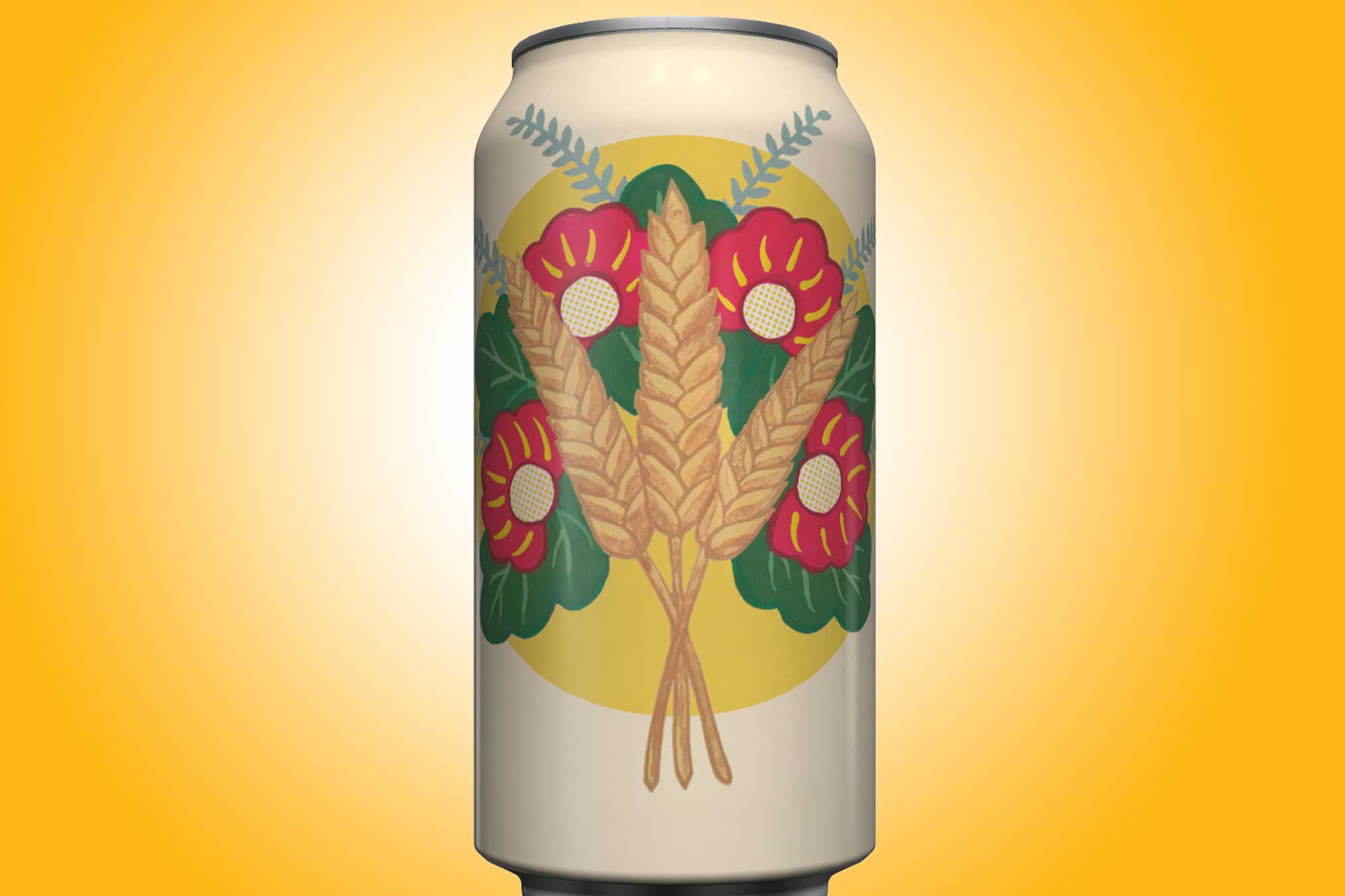
Inspired by Belgian grisette, Creature Comforts in Athens, Georgia, labels this a “country wheat beer,” describing it as dry, grassy, herbal, and slightly fruity.
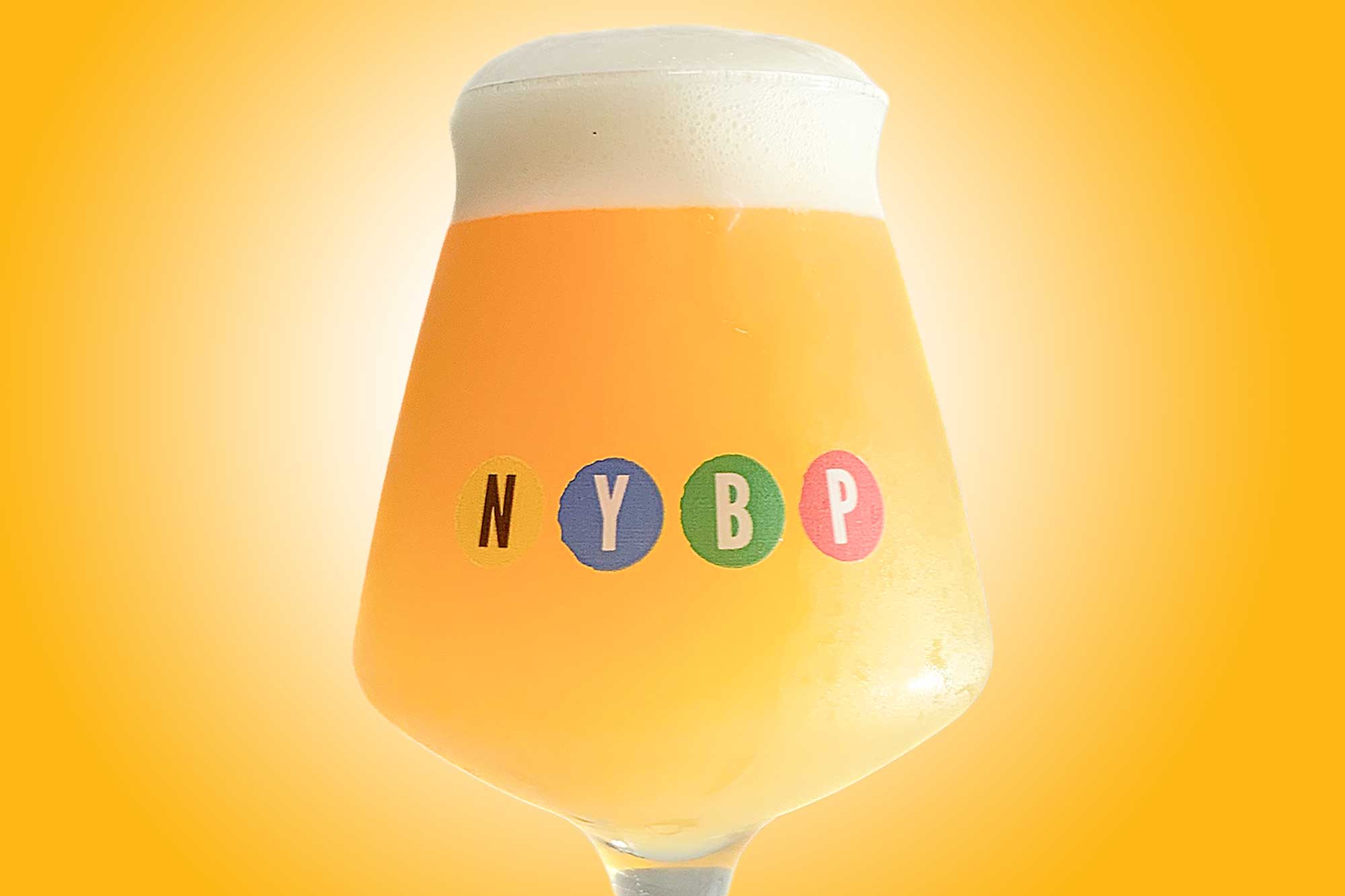
From New York Beer Project in Victor, New York, head brewer John Hyman shares this recipe for the experimental New England–style IPA that won back-to-back golds at the Great American Beer Festival. Besides hops selected for their bright, fruit-forward flavors, Hazy Crush features a cold-side addition of dried fruit and hibiscus flowers.
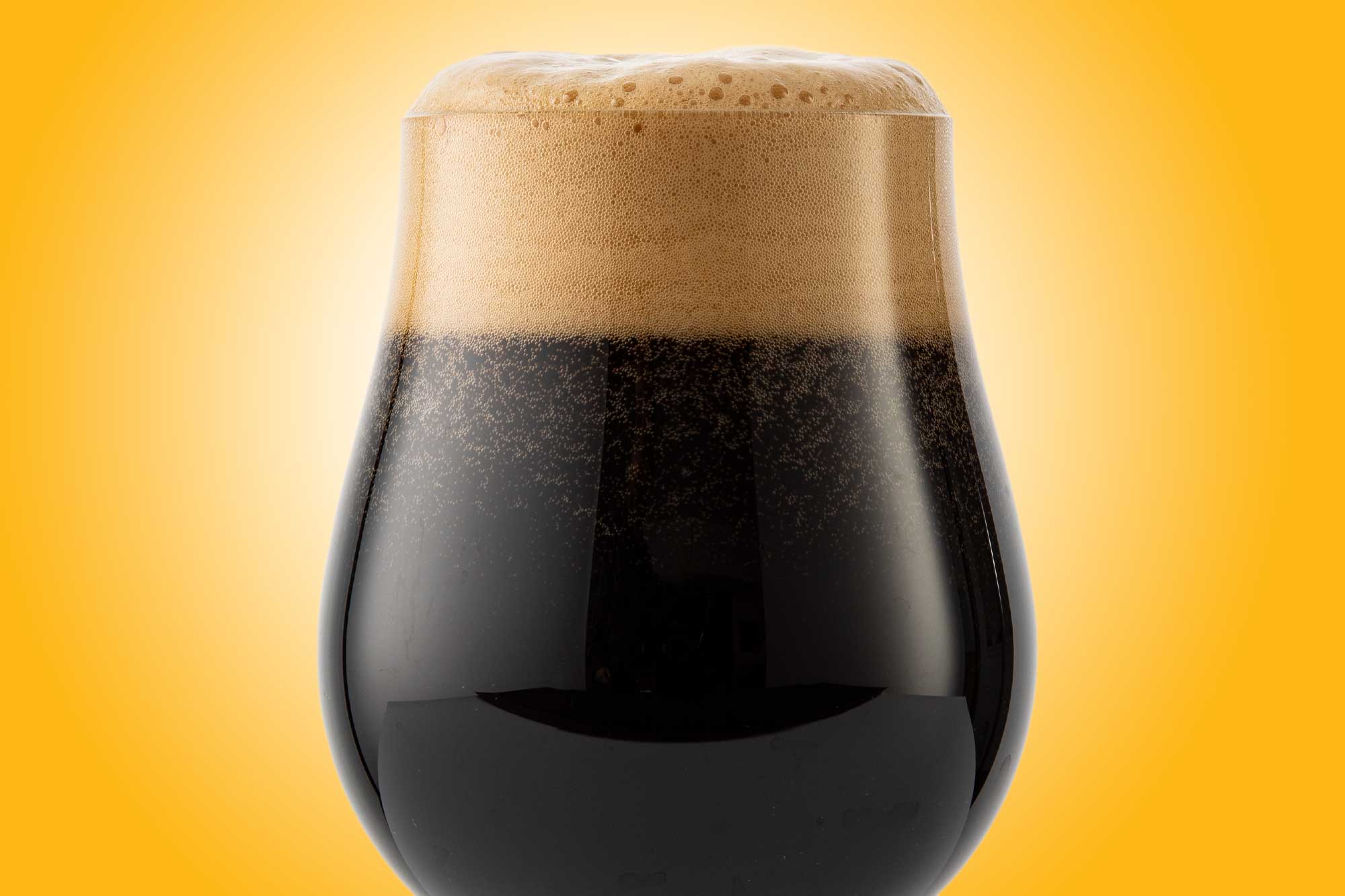
Mike Rybinski, brewmaster at ZwanzigZ Pizza in Columbus, Indiana, shares this recipe for the American imperial stout that won gold at the 2022 and 2025 World Beer Cups—plus, notes for the ghost pepper variation that also won gold at the Great American Beer Festival in 2017.
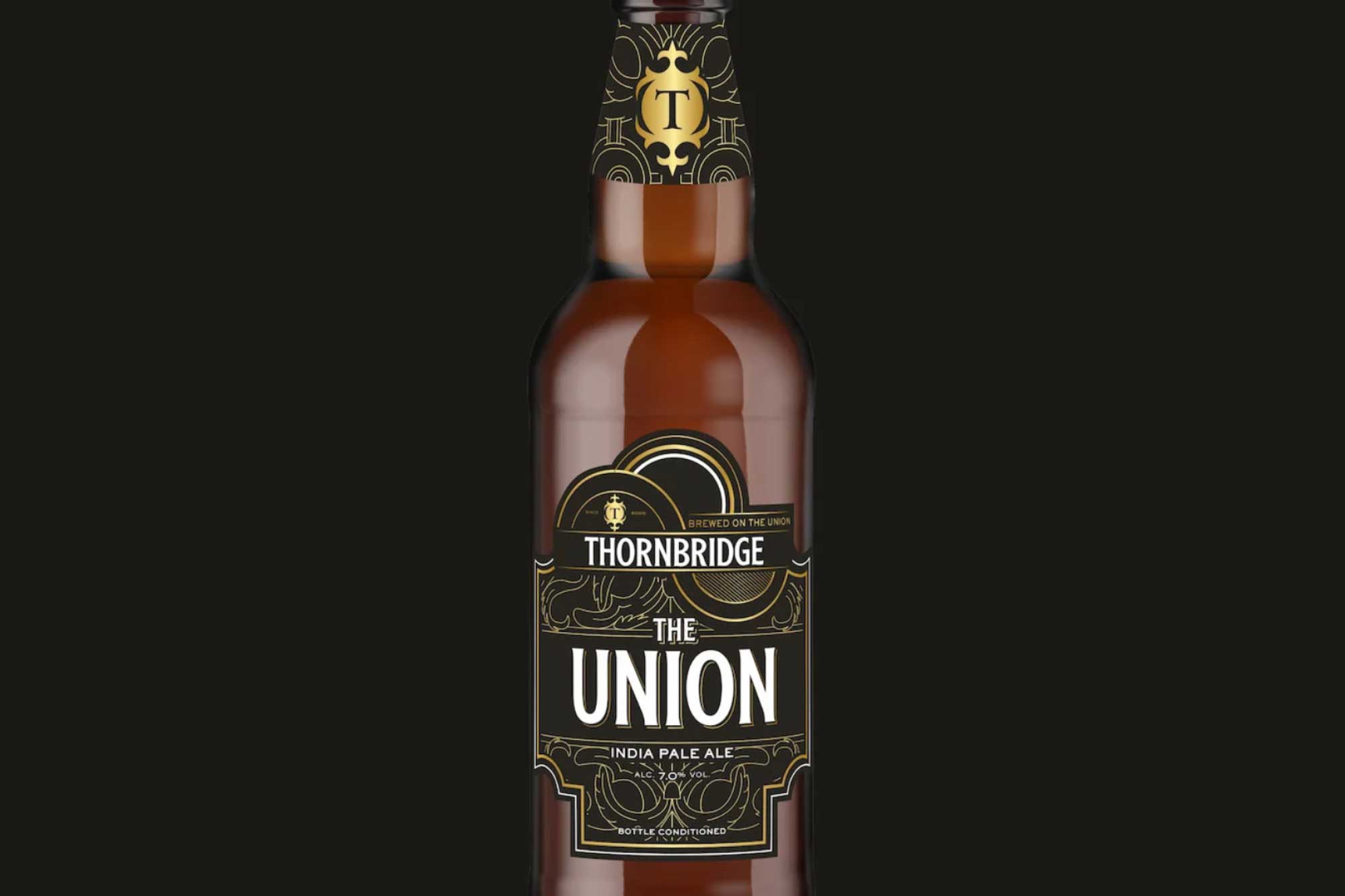
You may not be able to ferment in a proper Burton Union—though we wouldn’t put it past some of you to build your own—but you can brew your own version of this beer that Thornbridge developed specifically for the country’s last working Union set.
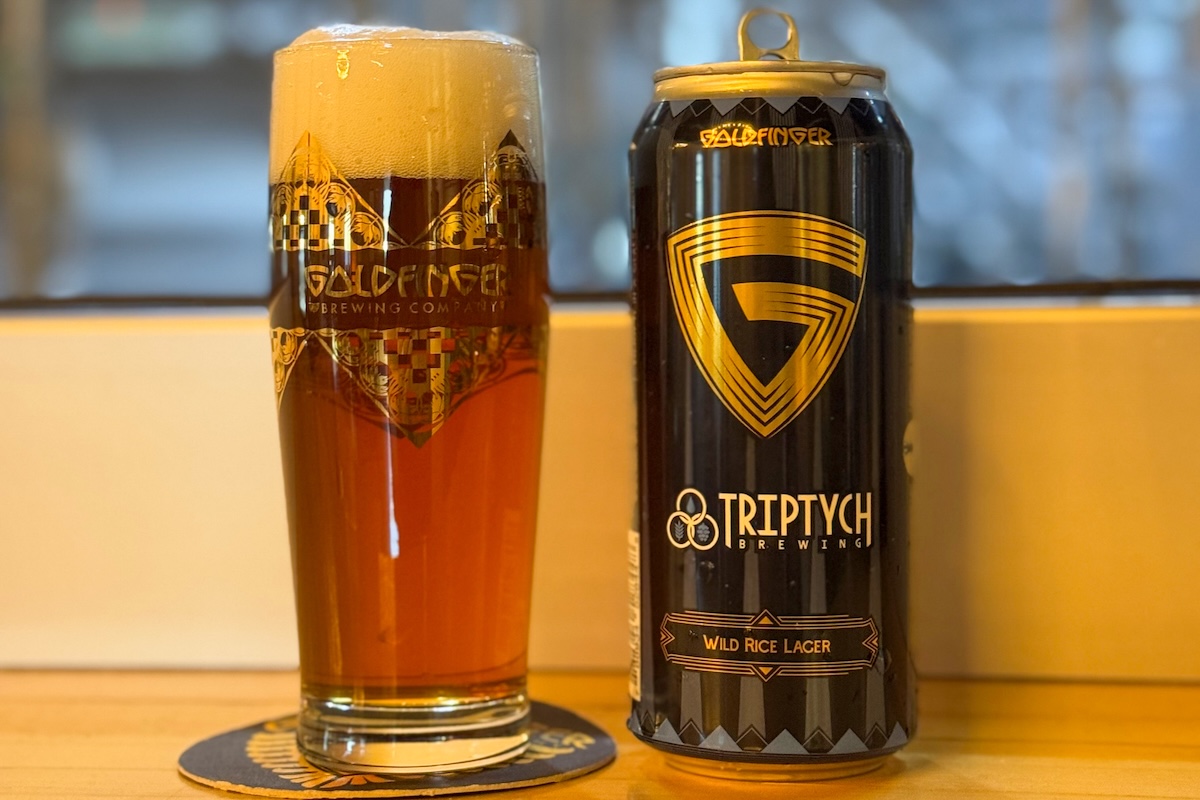
A collaboration with Triptych of Savoy, Illinois, this amber lager from Chicago’s Goldfinger brings Midwestern flavor via Minnesota wild rice, Wisconsin hops, and a yeast strain resurrected from a 19th-century Wisconsin brewery.
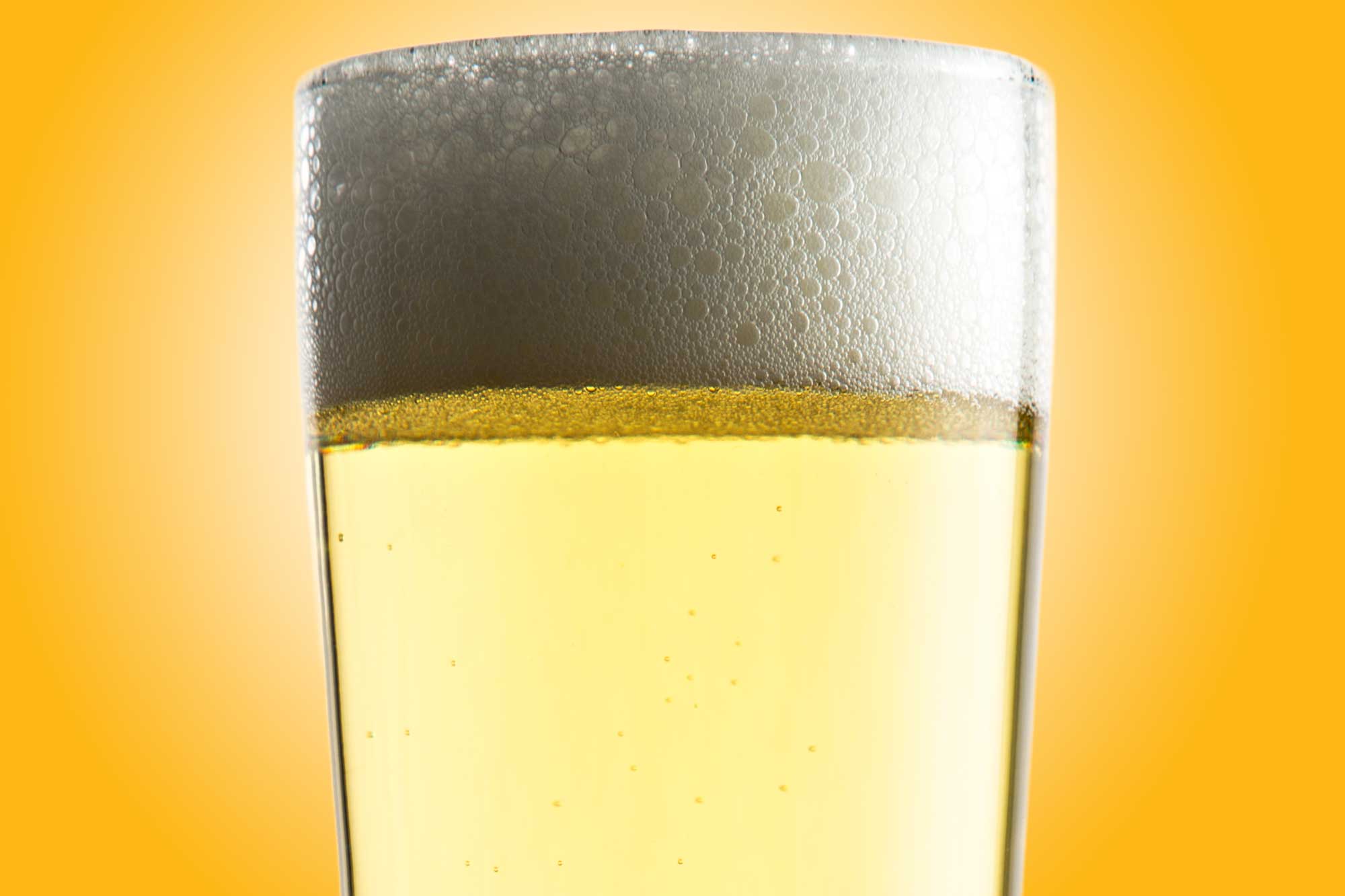
Besides sanitation, success here depends on two things: slightly chloride-forward water to round out the malt, and great attenuation for a light, dry finish.
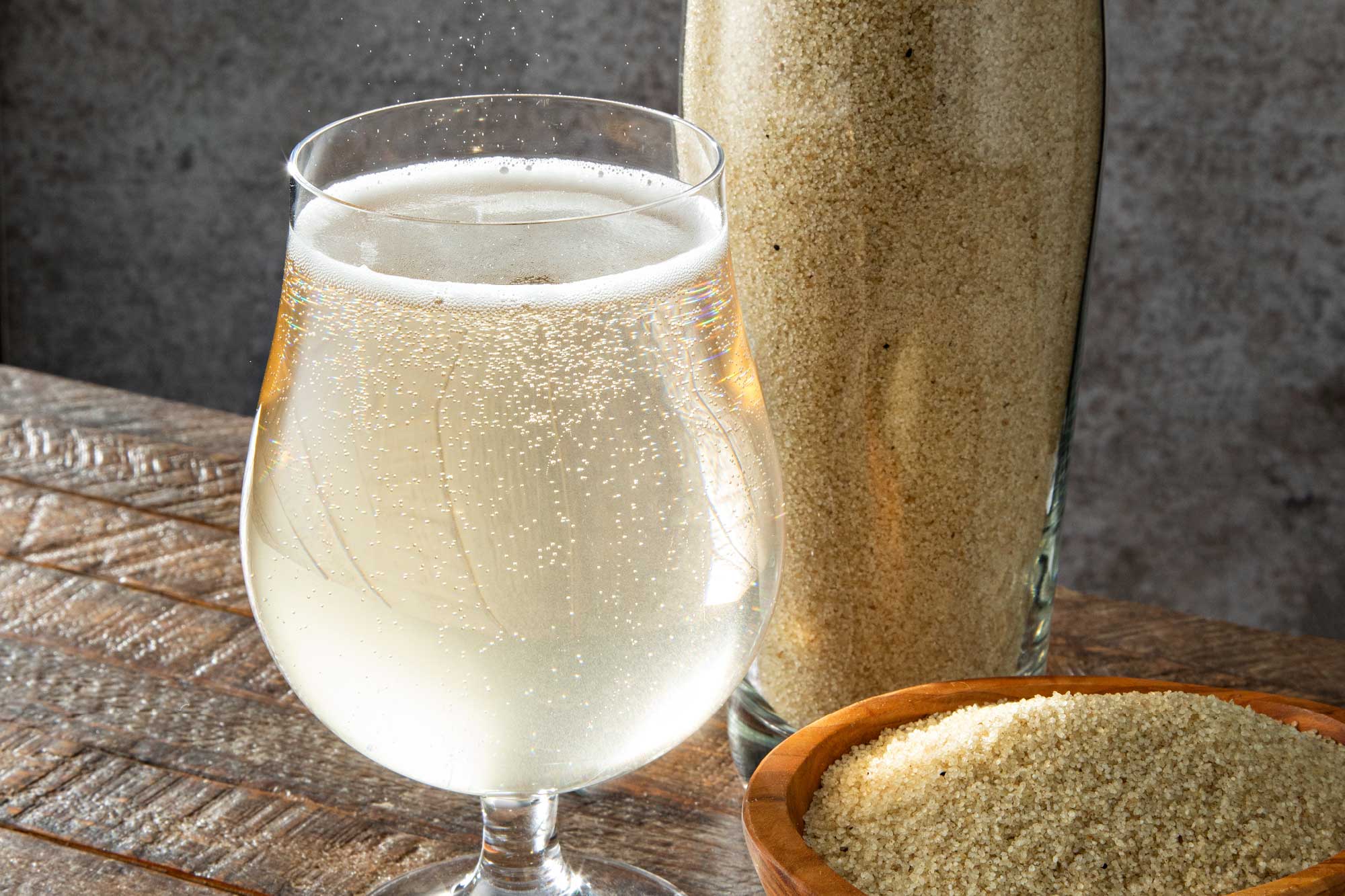
Patrick Bourque, head brewer at Kiitos in Salt Lake City, says they brewed this IPA to showcase fonio’s unique flavors—such as passion fruit, lychee, and white peach—and how those flavors meld nicely with the flavors and aromas of modern hop varieties.
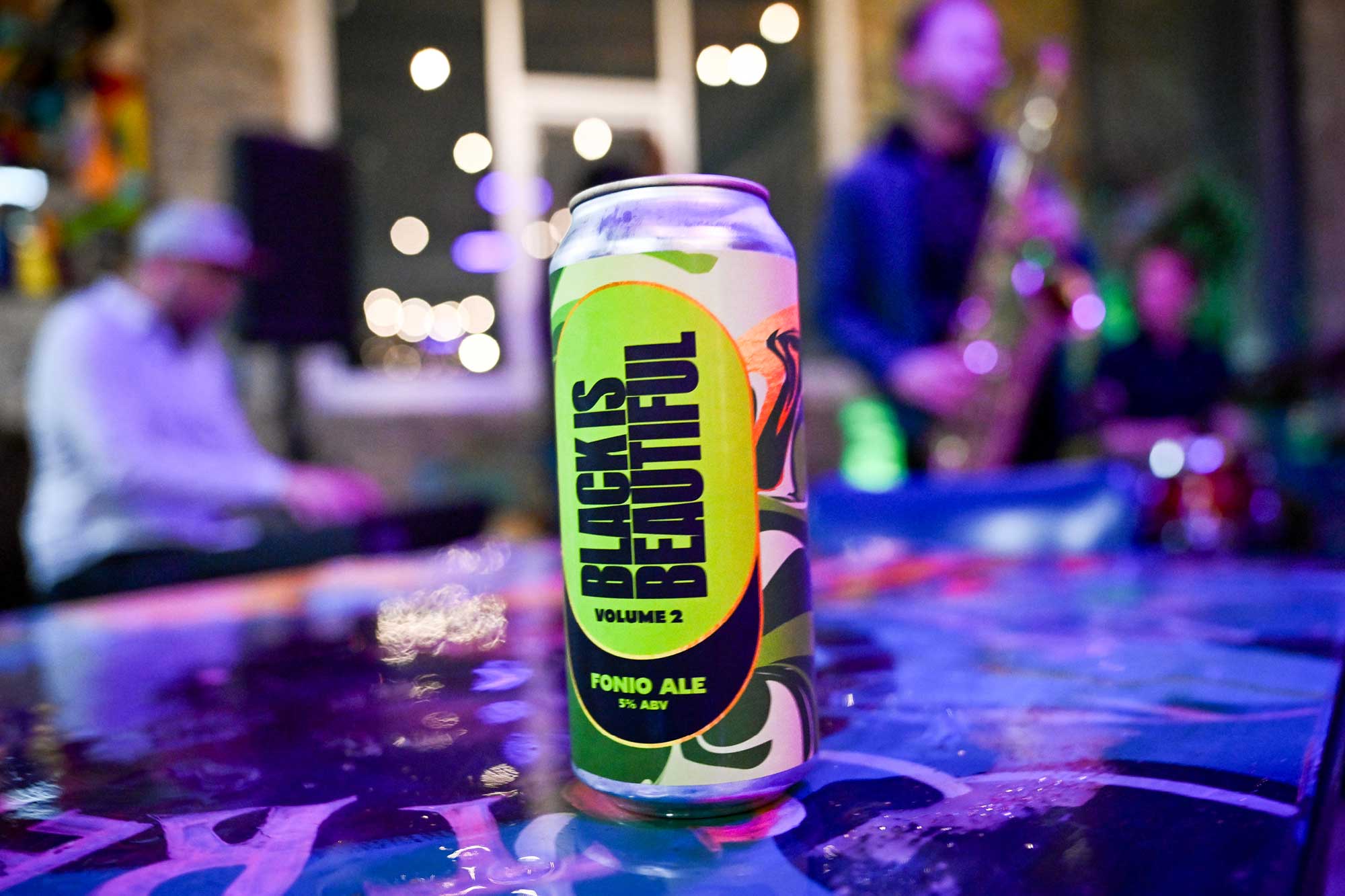
Missouri’s first Black-owned brewery, Kansas City’s Vine Street, released this light, hoppy, fonio-focused riff on the Black Is Beautiful open-source collab in 2025.
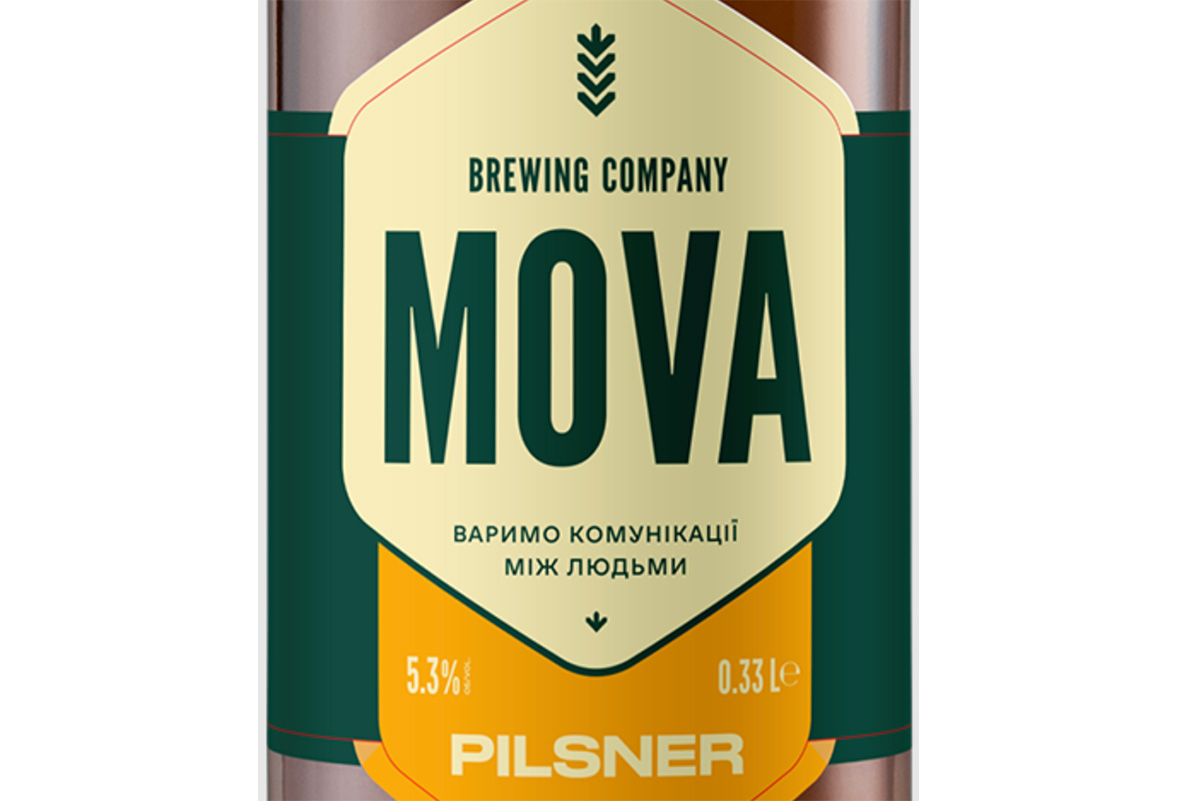
From Mova Brewing in Dnipro, Ukraine, here’s a recipe for the Czech-style pilsner that won gold at the 2025 European Beer Star, beating out some of the best lager breweries from Czechia, Germany, the United States, and around the world.
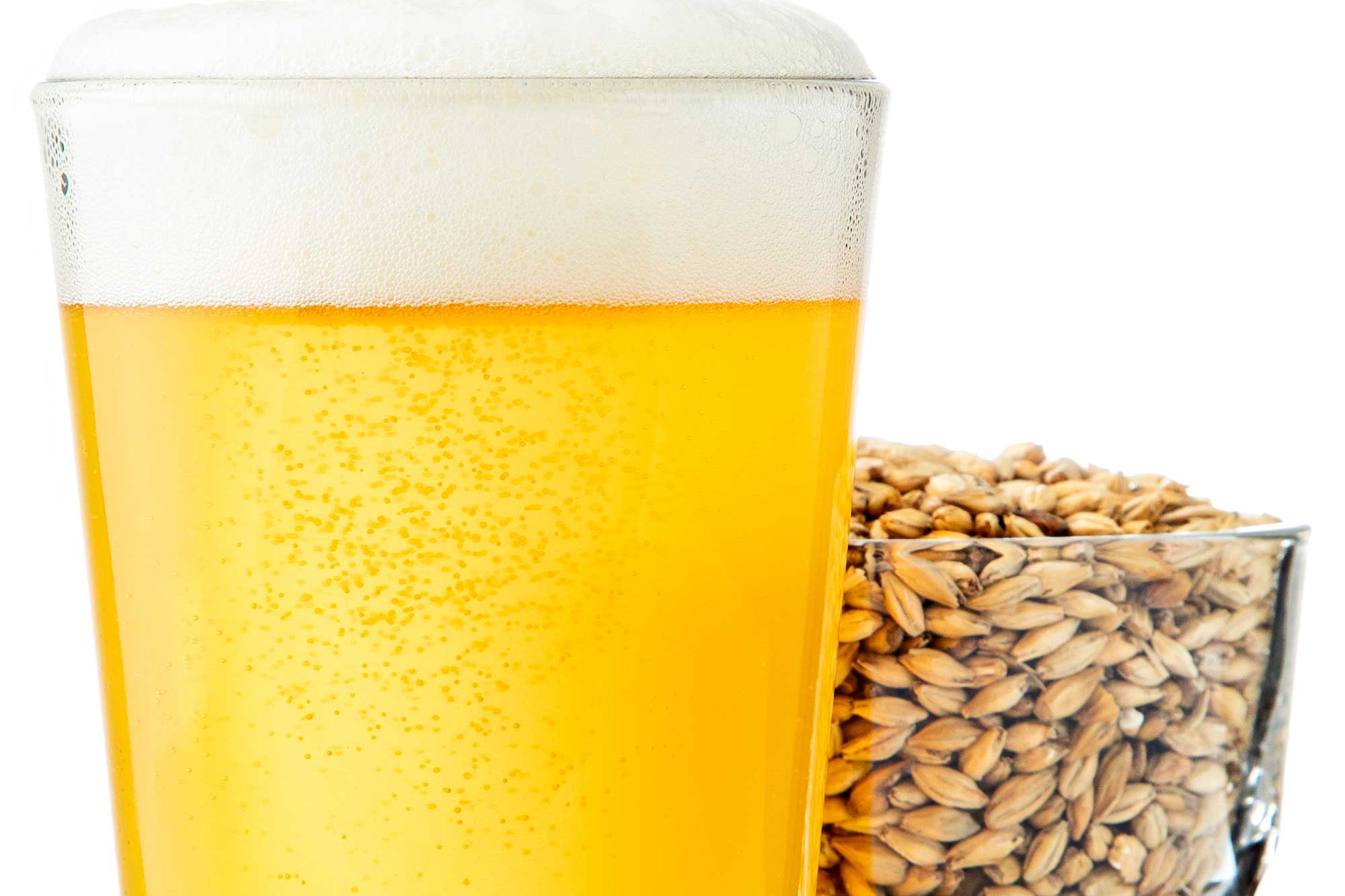
From Formula Brewing in Issaquah, Washington, here’s a recipe for the contemporary American wheat beer that won gold at the 2025 Great American Beer Festival.
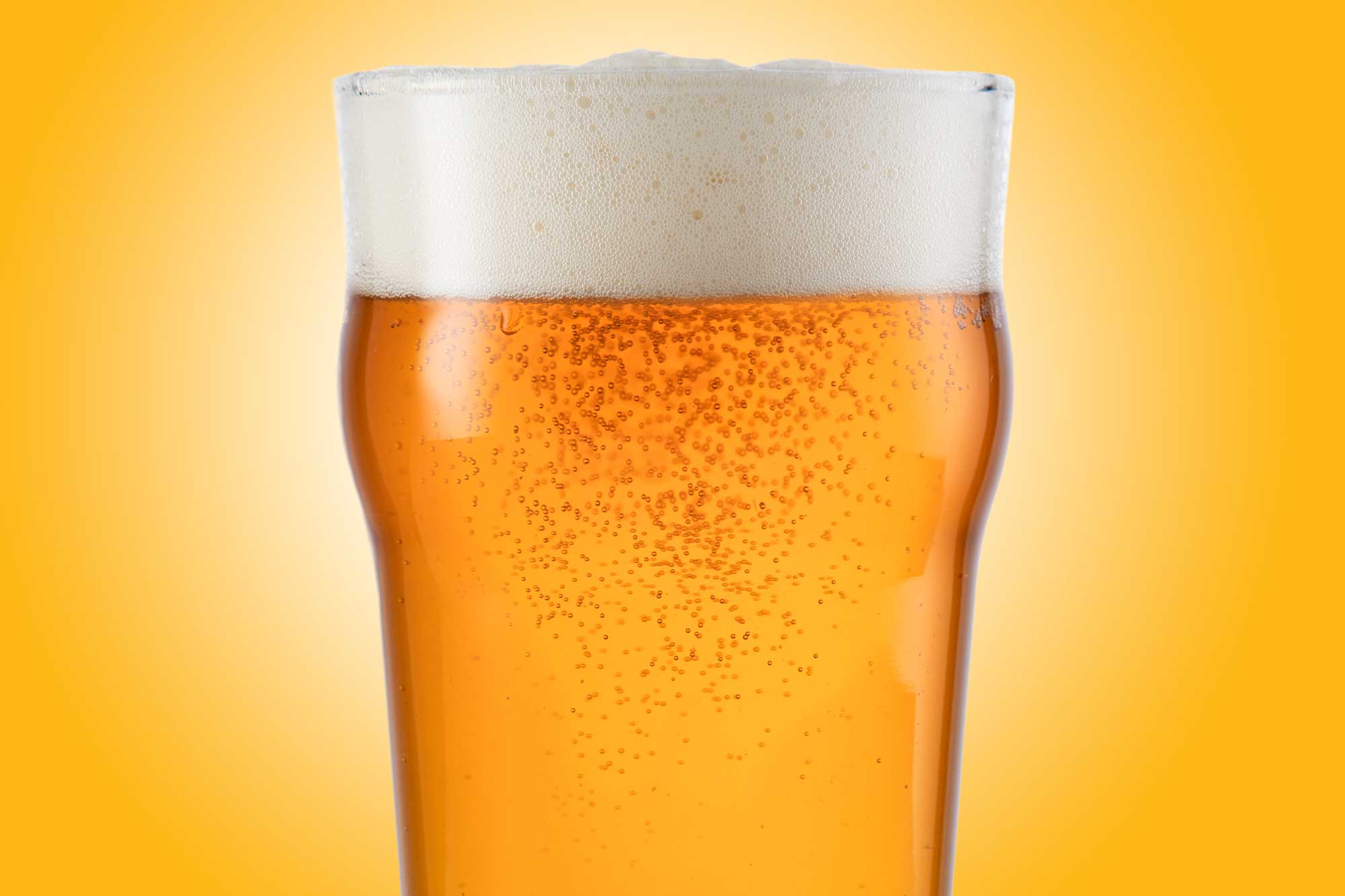
Malt-forward yet light and highly drinkable, this Scottish-style session ale is also straightforward to brew.
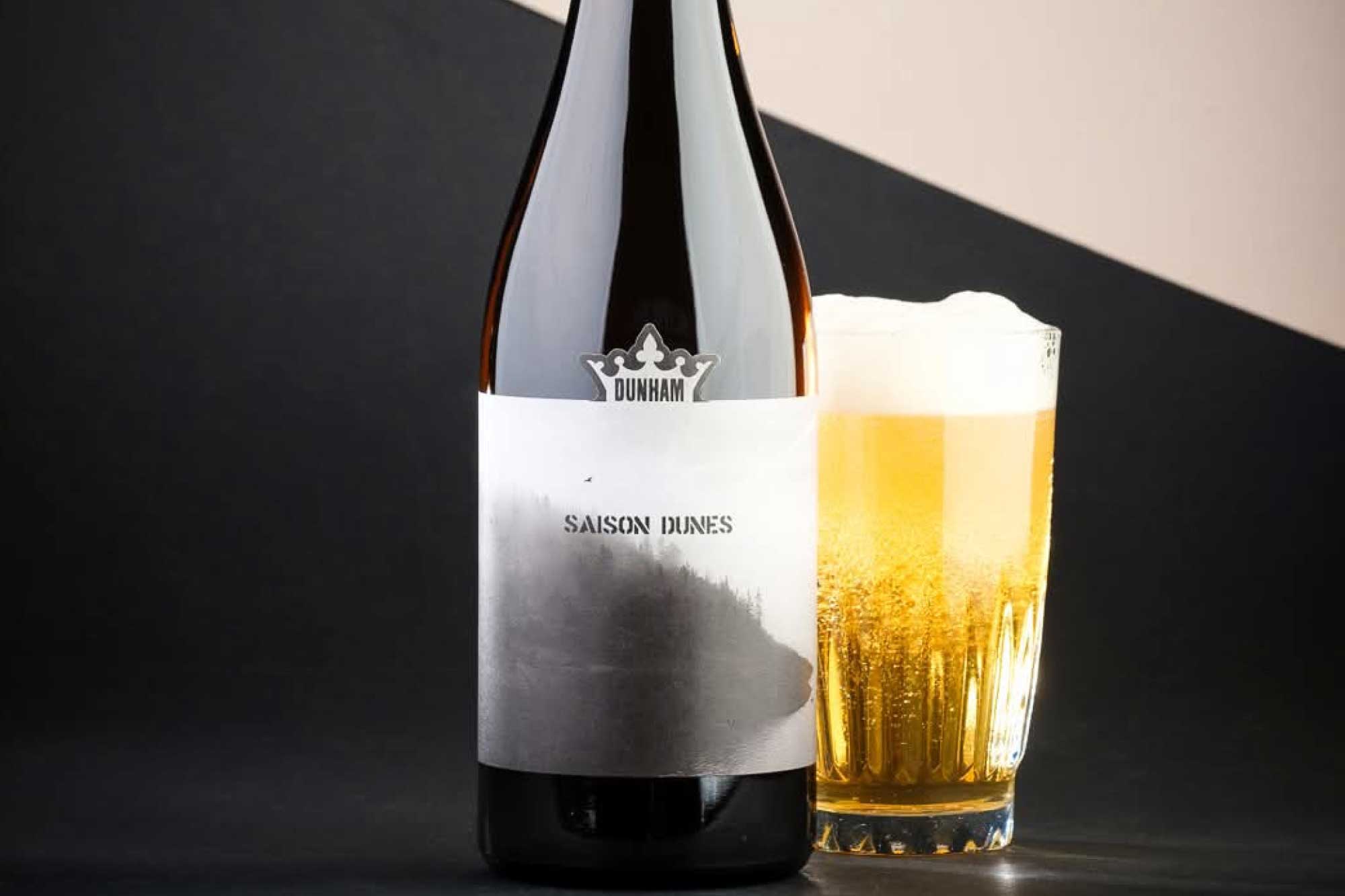
From head brewer Éloi Deit and his team at Brasserie Dunham in Dunham, Quebec, this saison recipe features the catkins of the green alder—also known as dune pepper.
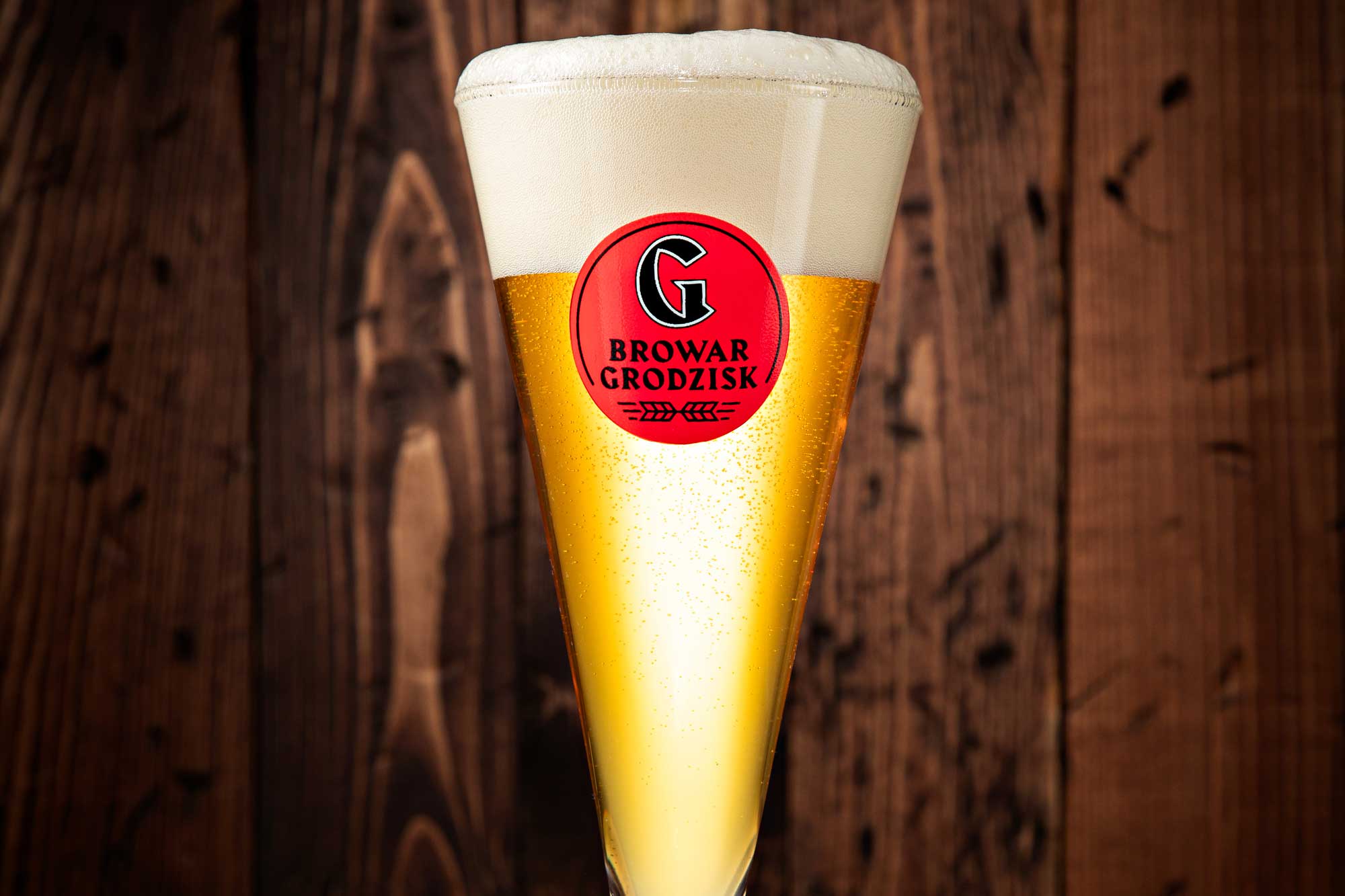
From Marcin Ostajewski, head brewer at Browar Grodzisk, here’s a recipe for the revived classic from the style’s own hometown.
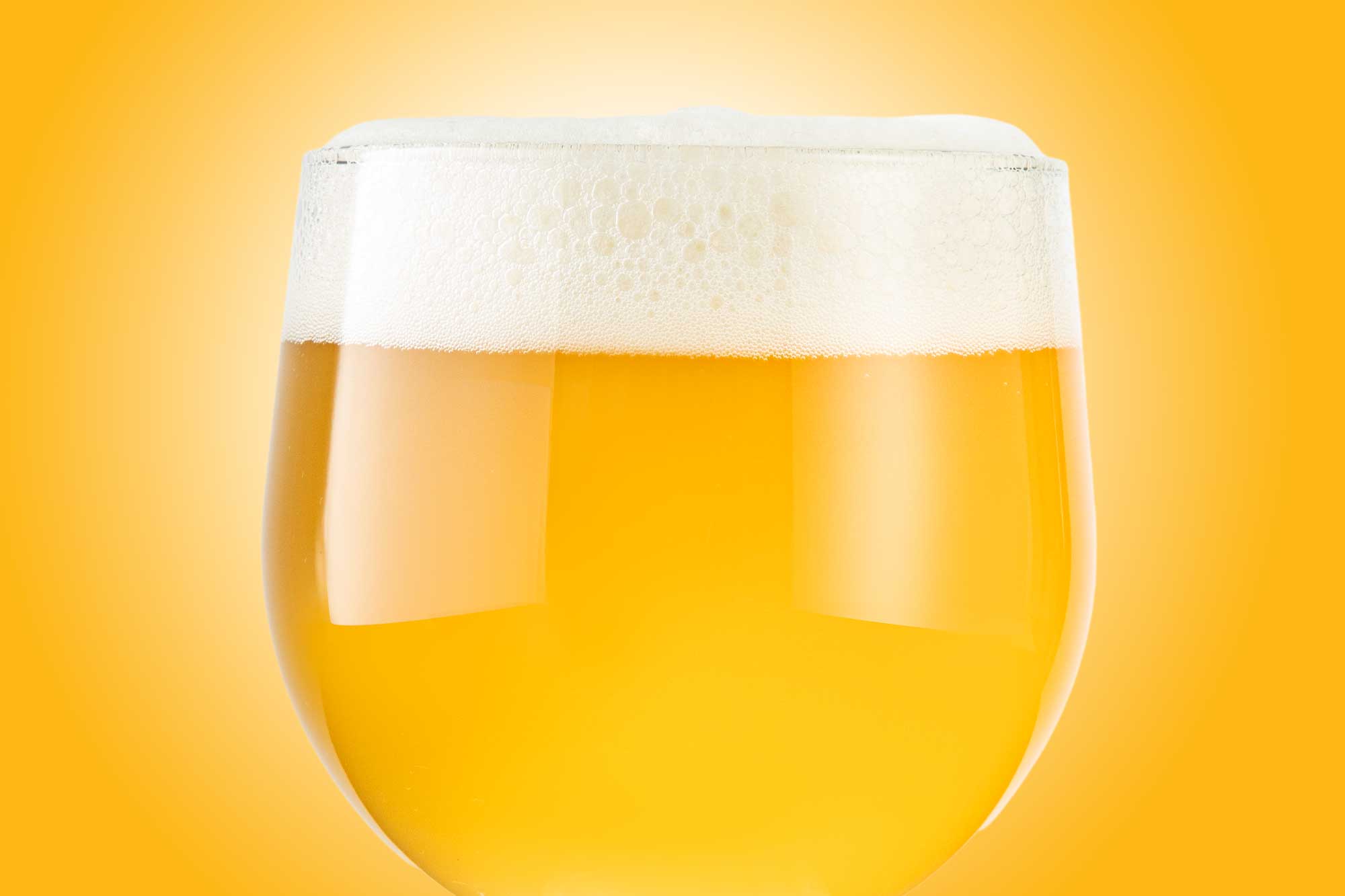
If you find kettle-acidification to be intimidating, this Berliner weisse is a great way to start learning the process and thus expand your repertoire as a brewer.
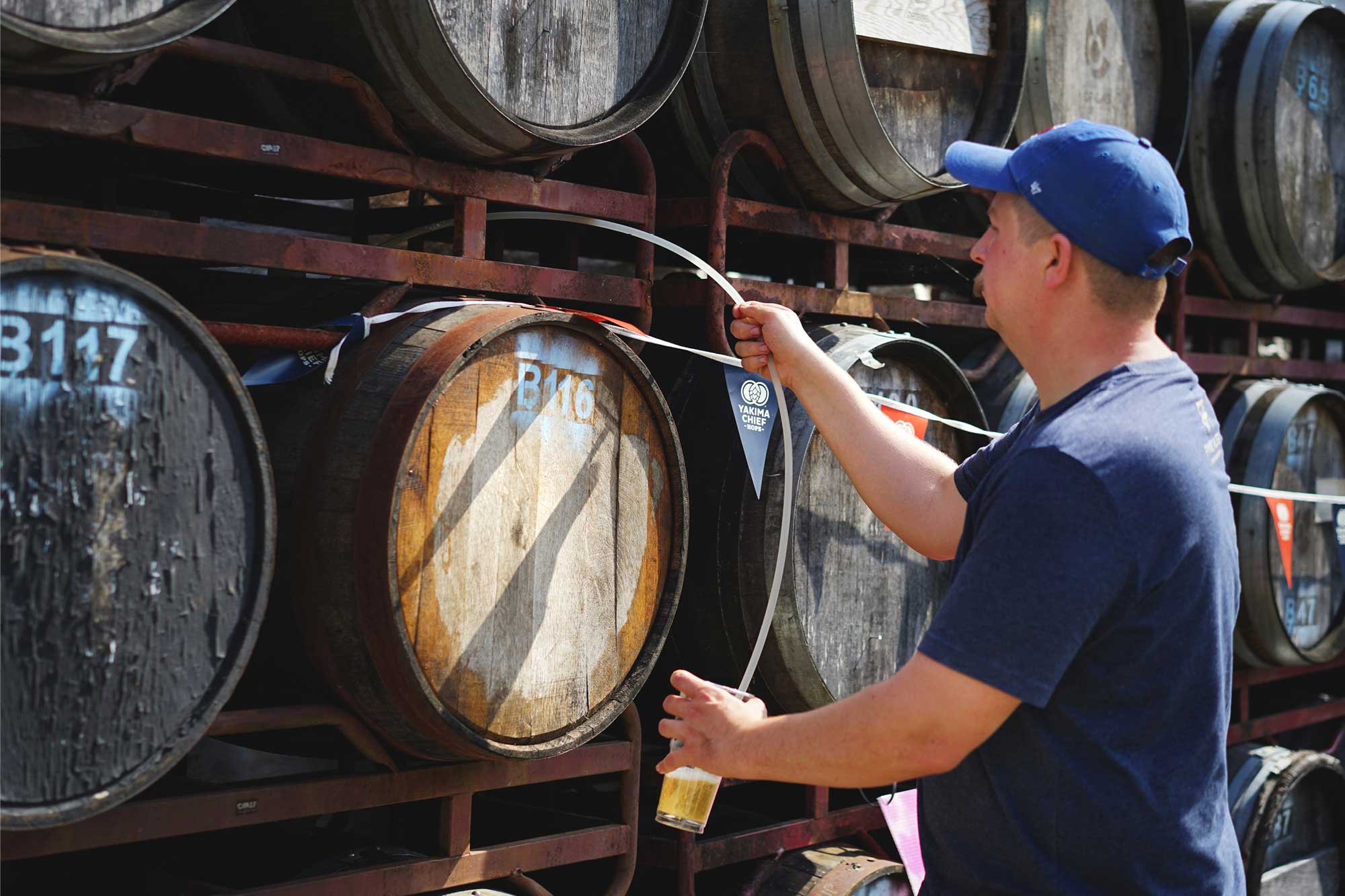
From Dan Wye, head of the Origins project at Fyne Ales in Cairndow, Scotland, here’s a recipe from one of his mixed-culture wine chimeras—containing no grapes, but with flavors inspired by sauvignon blanc wine from France’s Loire Valley.
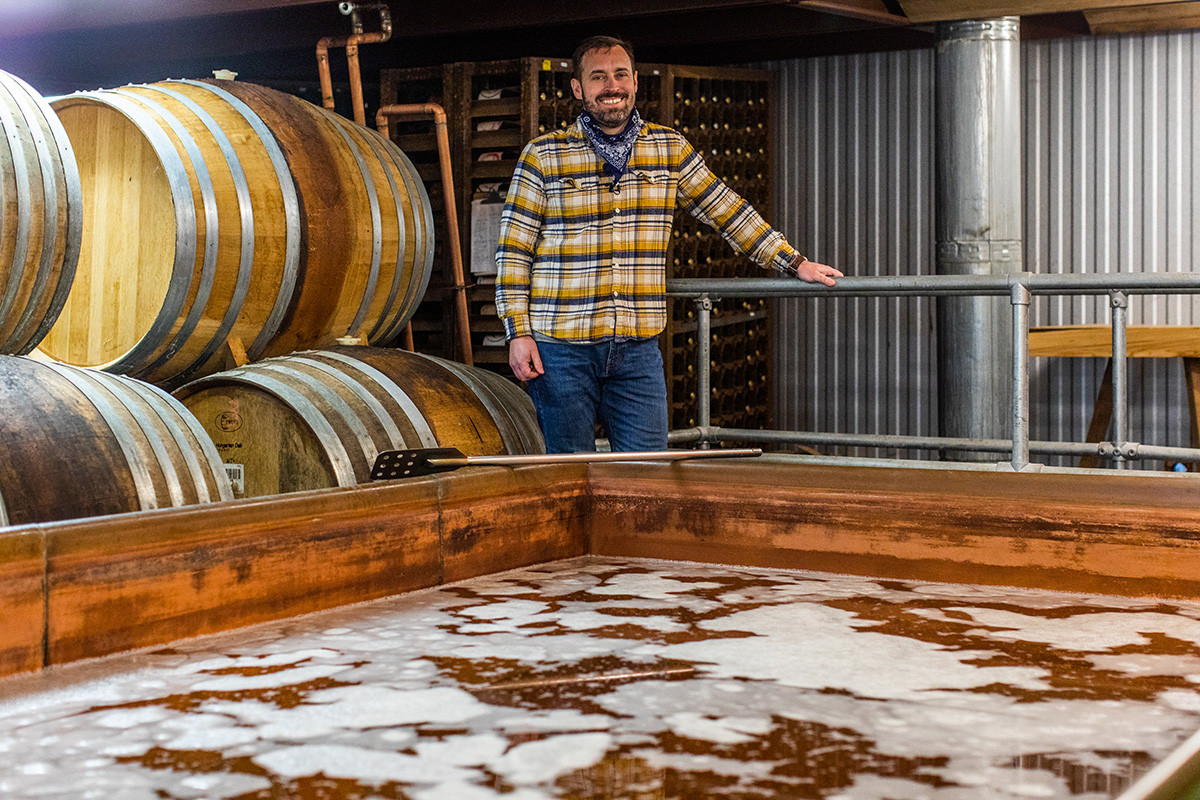
Want to try your hand at brewing an uncarbonated ale with enough acidity to refresh and complexity to intrigue? Here’s a recipe from Austin’s Jester King for a lambic-inspired beer that’s ready to drink in just a few months.
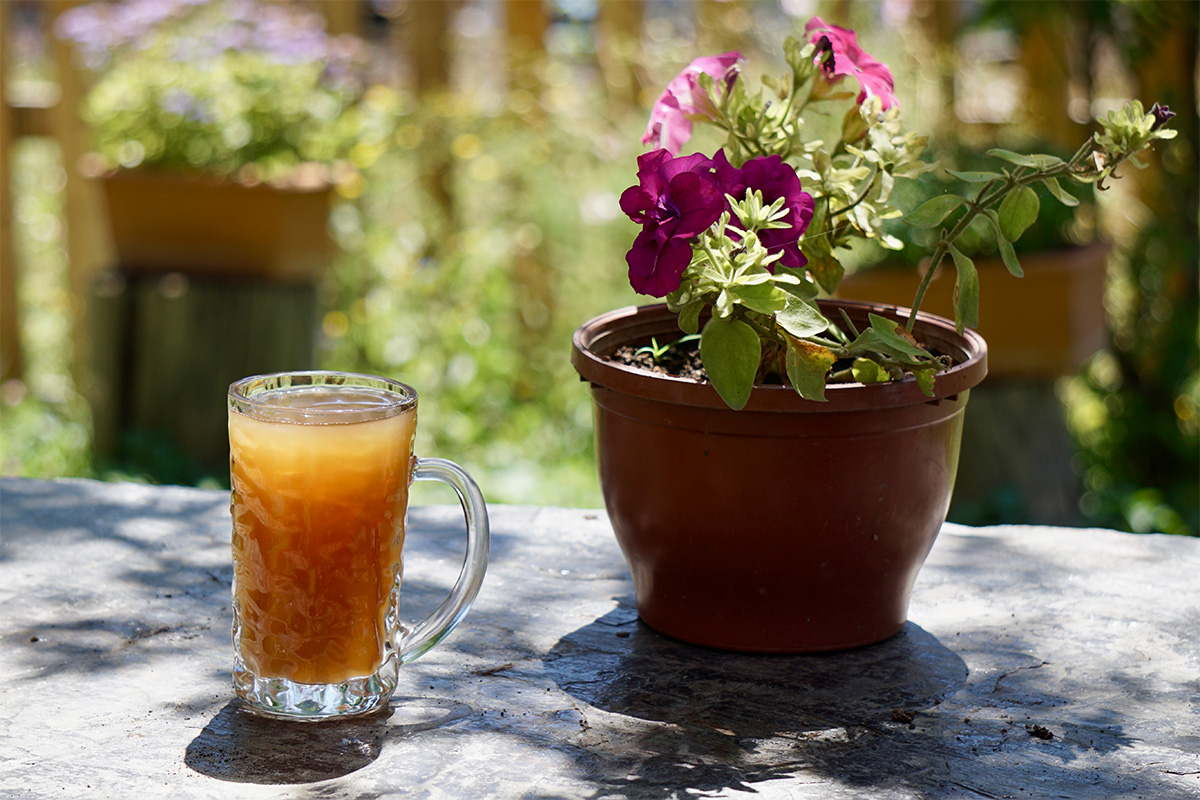
As a way to illustrate the methods that go into one of the world’s oldest surviving brewing traditions—including wind-dried malt, foraged hops, and a boiled mash—here’s a recipe for aludi, the farmhouse ale from Georgia’s highlands.