
Brewing Guides Library
Expert brewing guides covering techniques, ingredients, equipment, and beer styles.
French Saisons
Ever-evolving, the French Saison is full of rustic charm and earthy character.
Brewing with Flowers
Like with herbs and spices, flowers are another ingredient that can add unique aroma, flavor, and color to your beer. In this All Access Guide, we'll explore various flowers, tips for growing and brewing with them, plus some recipes to try.
Spunding and Pressurized Fermentation
Discover tips and tricks to naturally carbonate your beer.
Brewing with Spruce Tips
Easy to forage and easy to use, spruce tips can add a range of flavors to your beers and be used in a variety of ways.
Flanders Red & Oud Bruin
We'll uncover the origins, brewing techniques, and recipes that makes the Flanders Red and Oud Bruin so unique.
Brewing with Spices
Spice opens up an enormous range of flavors to us, and it’s worth knowing how to use them correctly to get something we’re going to love drinking! Here we tackle the ingredients, process, and recipes using some common spices.
Hard Seltzer
Despite its softness in the market, seltzer offers a unique array of flavors for calorie-counting drinkers, celiacs, and those who simply enjoy its light, refreshing palate. And, if you can make beer, you can make seltzer. However, there is still a special approach to making this bubbly beverage, along with its various flavoring options. In this All Access Guide, we've got the tips and tricks to make your best hard seltzer.
Holidays + Beer III
As we wrap up 2023, we're back with more of our festive favorites.
Gose
Gose is a traditional German-style sour wheat beer brewed with coriander and salt. Once nearly extinct, this very refreshing style is making a comeback.
Tropical Fruit
Fruit beer continues to evolve as commercial breweries pursue “flavor-forward” trends—and few trends have been more successful in recent rears than tropical flavors.
Bitterness & Roast
We’re taking a closer look at one of the most challenging flavor dimensions to balance in beer: bitterness and roast—or, more accurately, hop bitterness and roasted malt flavors.
Bière de Garde
We’re great champions of overlooked styles here at Craft Beer & Brewing—easy for us to say, we don’t have to sell them!—but we do think this is one due for a fresh look from today’s brewers, as people seem to be rediscovering their taste for malt and for balanced, drinkable beers.
Historical Beers
We dig into our archives for a variety of historical brewing traditions and recipes—some relatively well-known among modern brewers, others far more obscure.
Schwarzbier
This smooth-drinking black lager in the German style is good for any season, but for some reason we always think of it as a great fit for autumn drinking. It can be a tricky one to balance—you want a light touch of roast, but it should be well-attenuated, not at all heavy, and finishing dry.
Alternative Malts
When it comes to malted grains, brewers have more options today than they’ve ever had. With 10,000 breweries in the United States and many more around the world, there is ample interest in variety and in unusual or locally grown grains.
More Kölsch
Here, we’re going deeper on how to brew a convincing one that tastes like what you might find in Köln, and we’ll zoom in on its history, and on that unique service culture that has inspired the rise of “Kölsch Nights” here and there in the United States—plus, many more recipes.
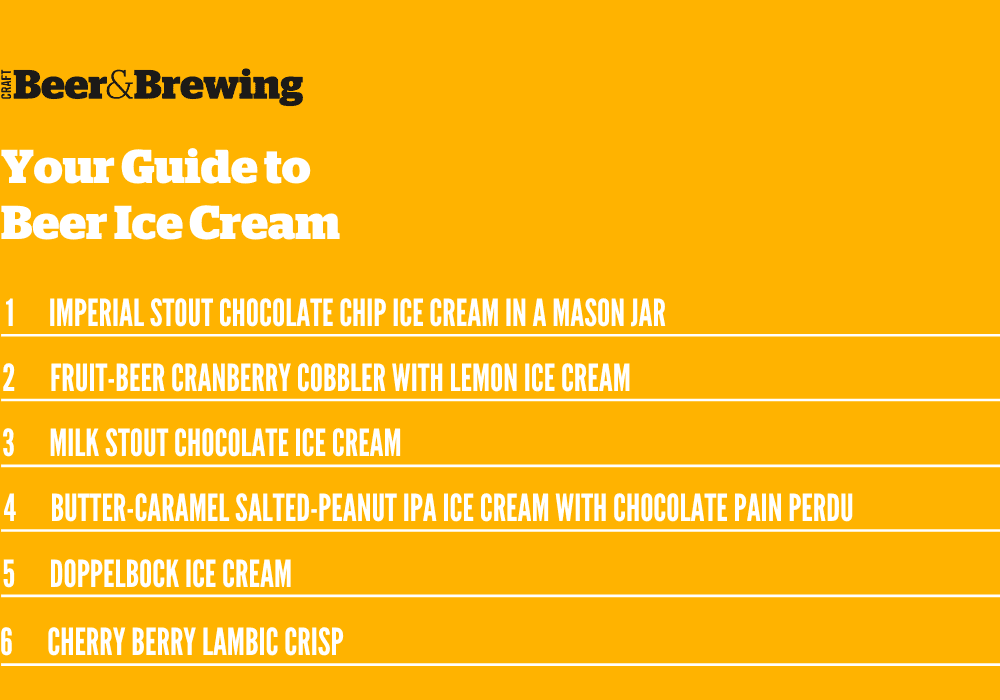
Beer Ice Cream
We take our cool beers with us into the air-conditioned kitchen, and we indulge. In previous All Access Guides we’ve covered plenty on incorporating desserts and dessert-like flavors into our beers. Now, we’re going to flip that around and put our beers into some cold, sweet treats—specifically, some creamy refreshers that are ideal for enjoying in this hot weather.
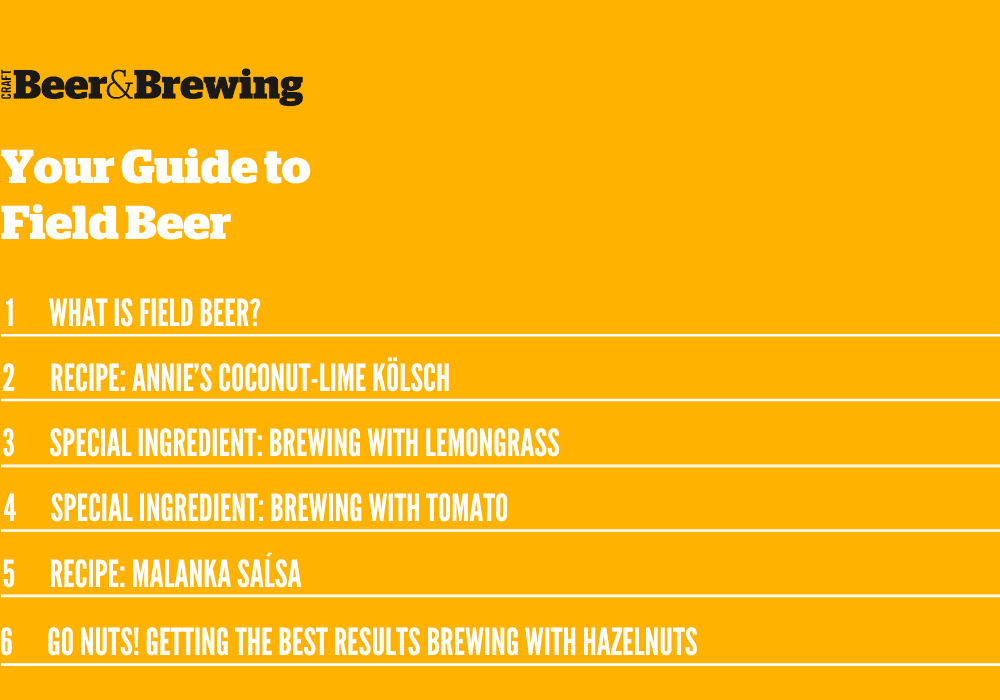
Field Beer
Despite the category’s misfit status and lack of popular appeal, it can be the home of some truly great, flavorful, drinkable beers—and brewers who truly want to hone their craft can take it as a challenge and another area to master.
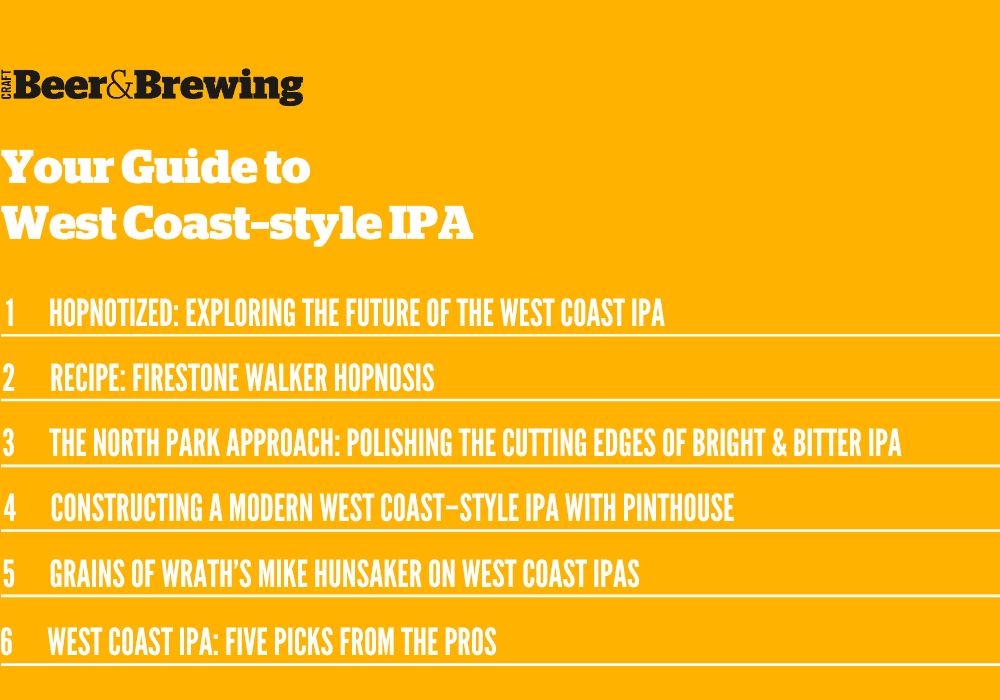
West Coast–style IPA
While some drinkers look for an alternative to the enduringly popular hazy IPAs, many brewers are updating their approaches to these bright, dry, bitter, and crisp beauties.
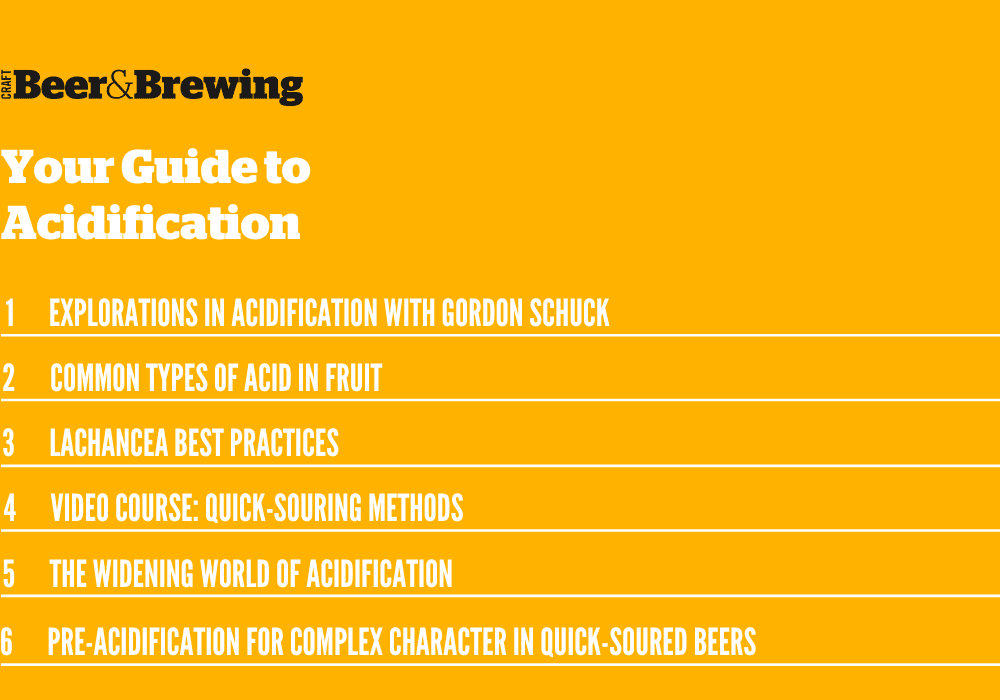
Acidification
They’re not just “kettle sours” anymore. Even as tart fruit beers have grown in popularity, and as brewers have learned better ways to balance and dial in their lactic acidification, labs have been developing new options involving bacteria as well as lactic acid–producing yeast strains.