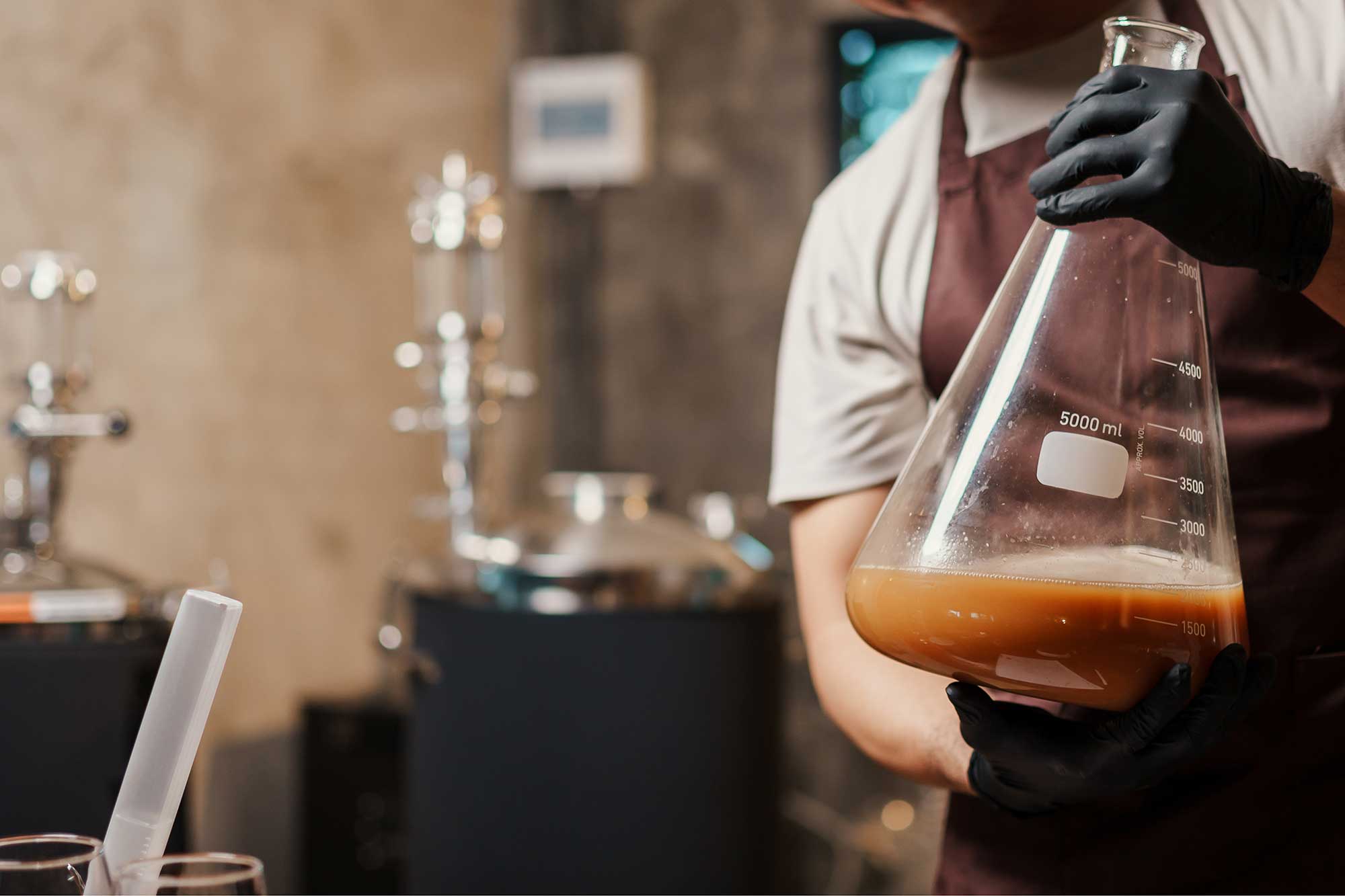
Harvesting yeast can cut costs quickly—but how many times can you reuse it before quality suffers? Here’s what experienced brewers actually watch for.

Most professional craft brewers get their start as homebrewers, often with simple extract-based kits. Pinter’s mission to make that process easier—and the beer better—is helping a new generation of future brewers connect with the art and craft of making.
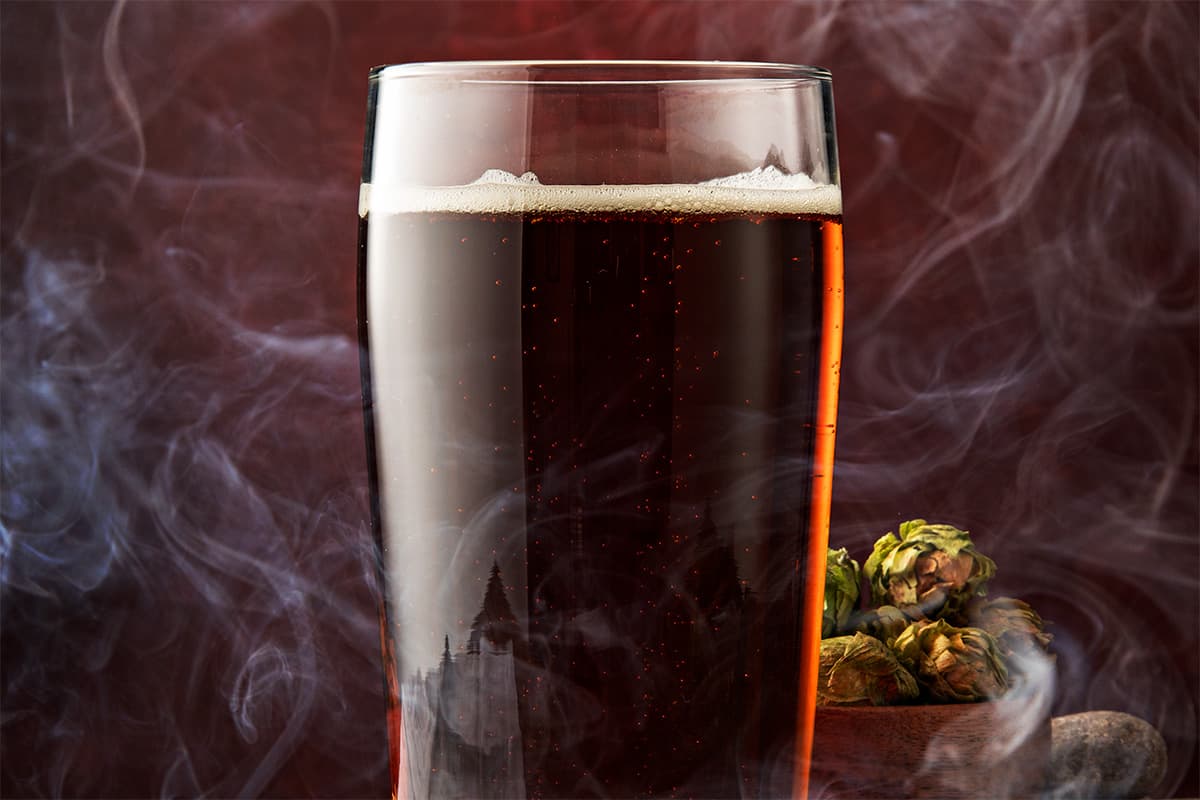
This obscure farmhouse brewing tradition out of eastern Latvia is still alive today, and it’s one that fans of smoked beer may want to add to their bucket lists.
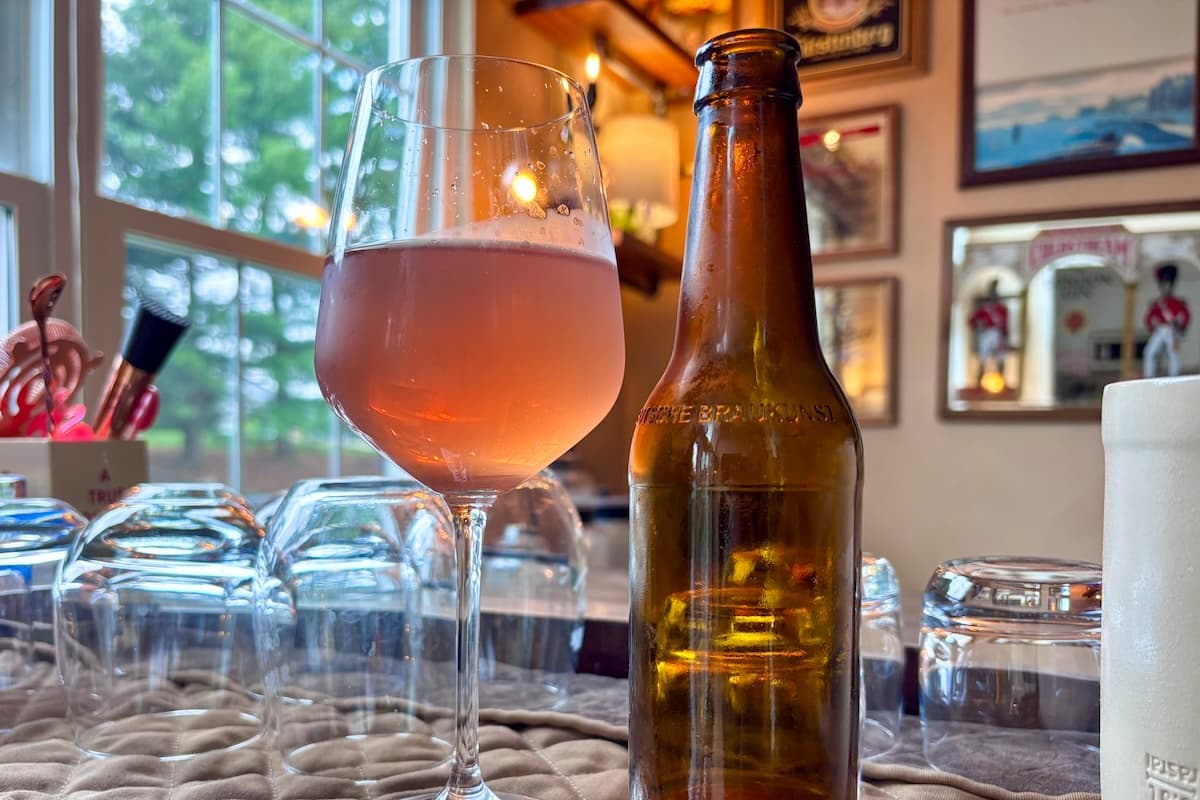
Made annually from the pears picked off the tree out back, this recipe for a dry perry represents how I do it at home.

Through a series of projects and papers, these two respected researchers are shedding new light on how hops age, how variety impacts that aging, how conditions such as temperature and oxygen affect hops, and more. An important takeaway: There’s more life in two-, three-, or four-year-old hop lots than we may have previously thought.
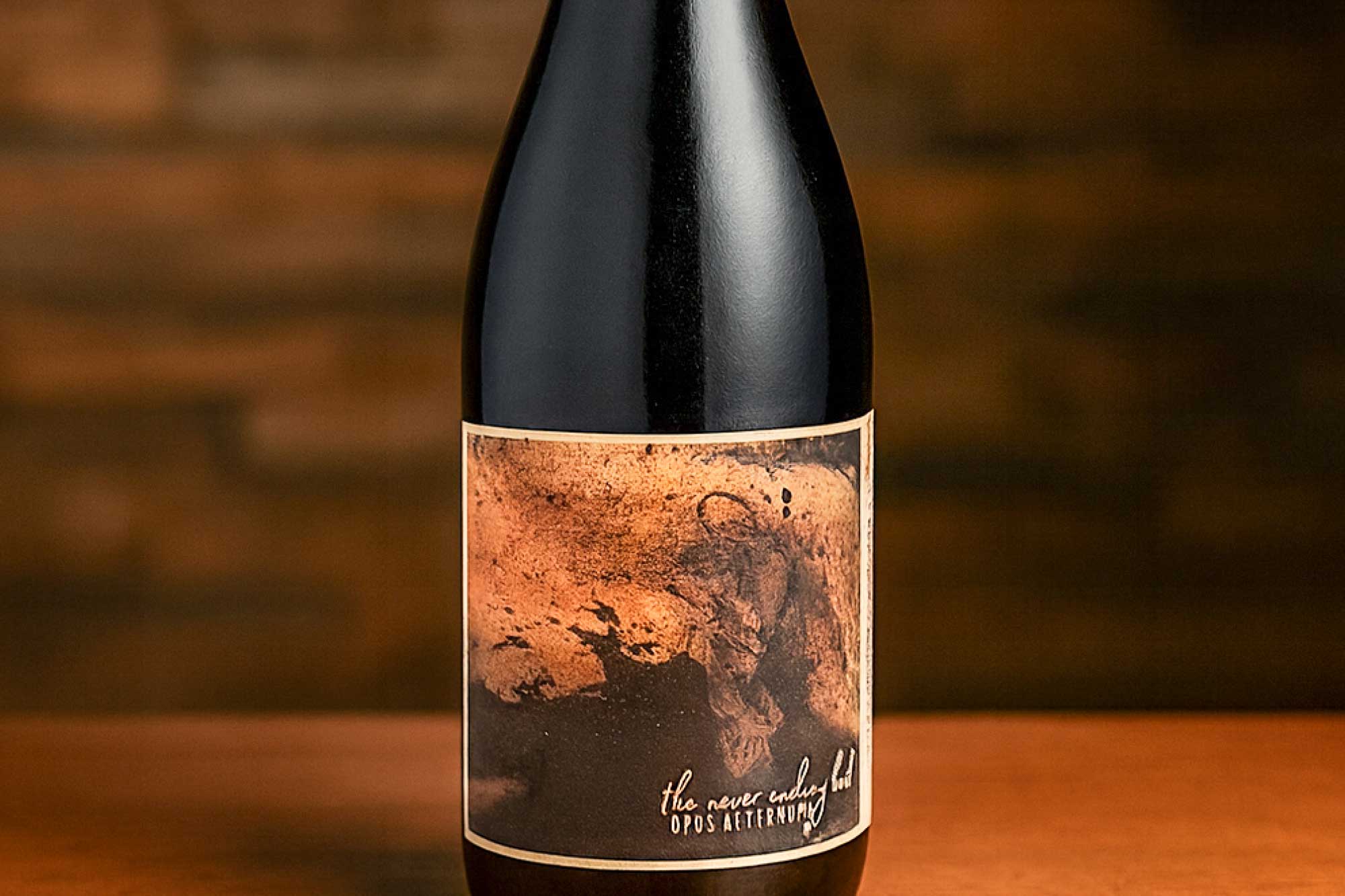
From South Africa’s Afro Caribbean and Soul Barrel breweries, this hefty barleywine of 17.5 percent ABV is based on a unique, experimental process involving a boil stretched out over six days.
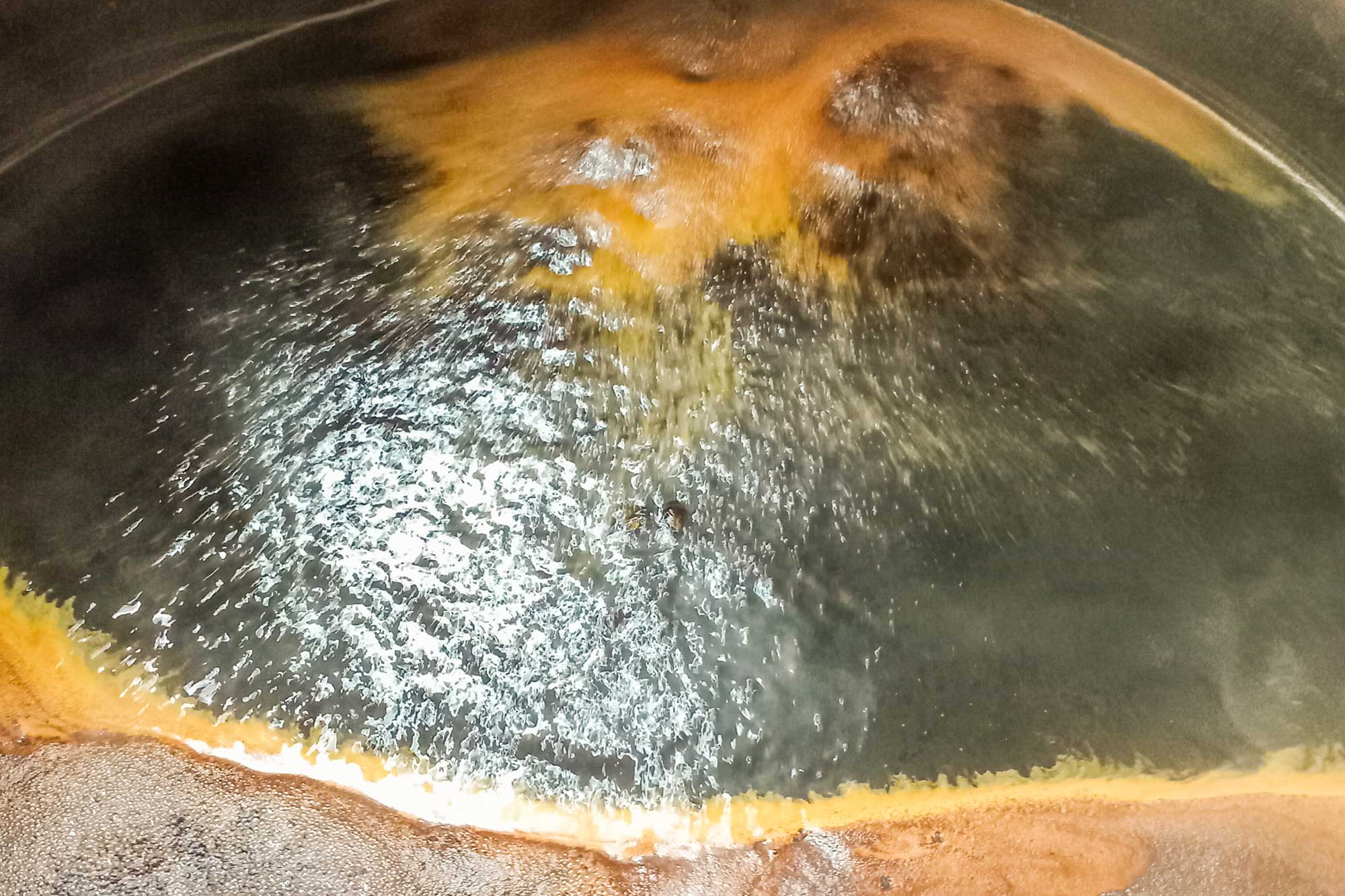
A collaborative experiment between South African brewers led to a super-hefty barleywine of 17.5 percent ABV, via an unusual boiling process measured in days rather than hours.
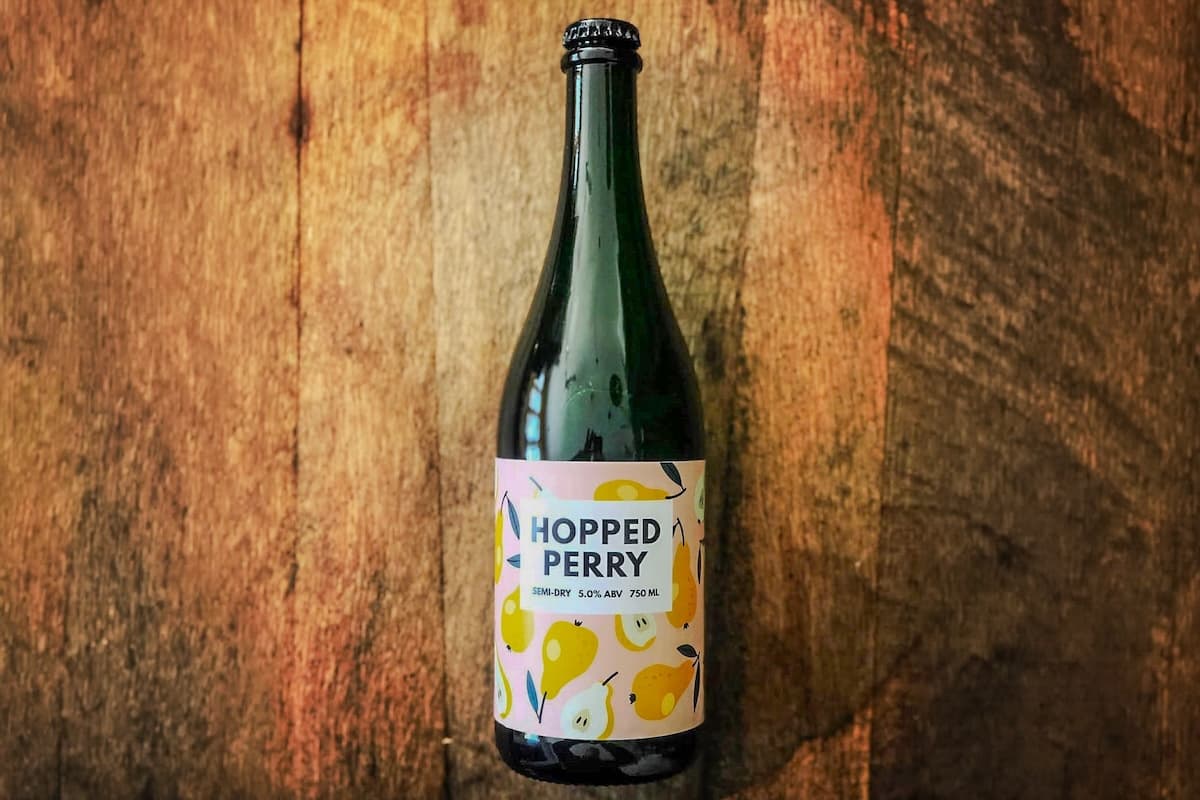
Newfoundland Cider shares this recipe for one of their small-batch perries, which undergoes a natural fermentation, ages on oak, and gets a final touch of Cascade and Centennial hops.
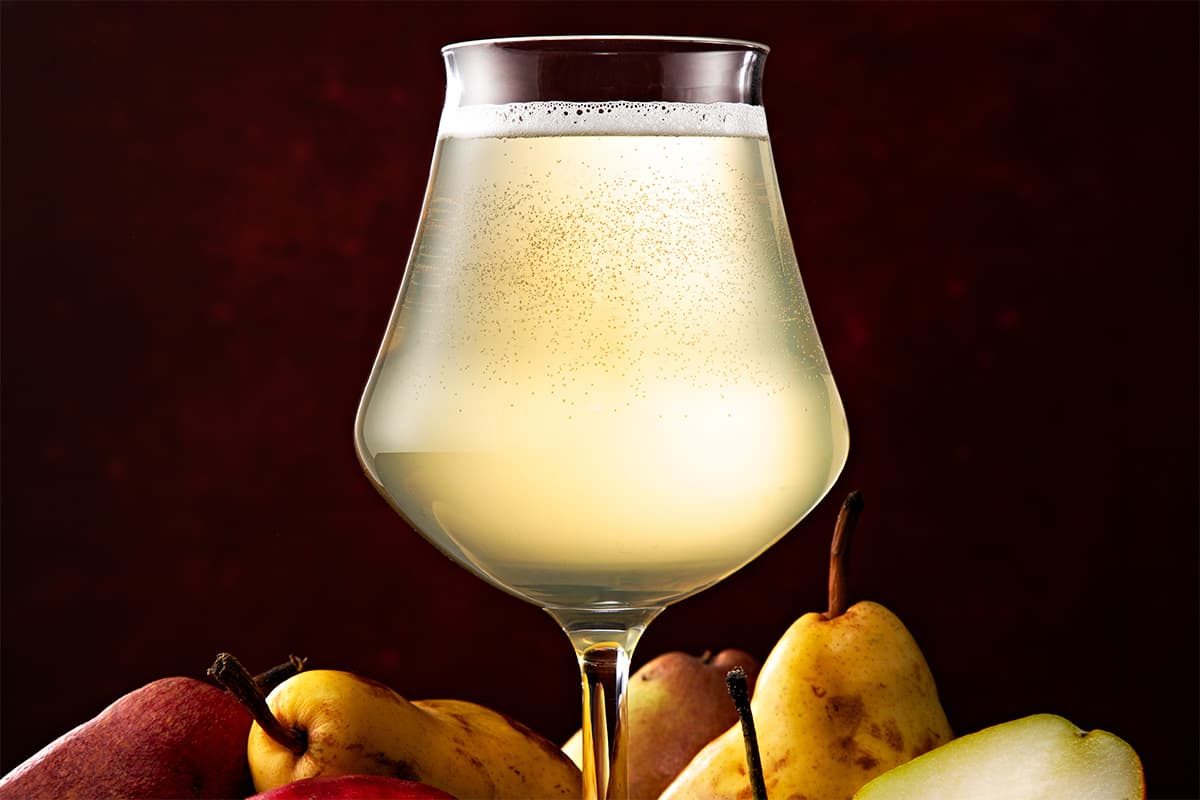
Perry is hard to find and hard to make, and neither the fruit nor the wildlife is likely to cooperate. Yet that challenge—along with perry’s distinctive character—is a big part of what makes it worth pursuing.

From our Love Handles files on our favorite spots around the world to enjoy a great beer: This characterful bar off an alleyway in New Zealand’s capital city offers a friendly welcome, local craft, tasty pizza, and a galaxy of Star Wars bric-a-brac.
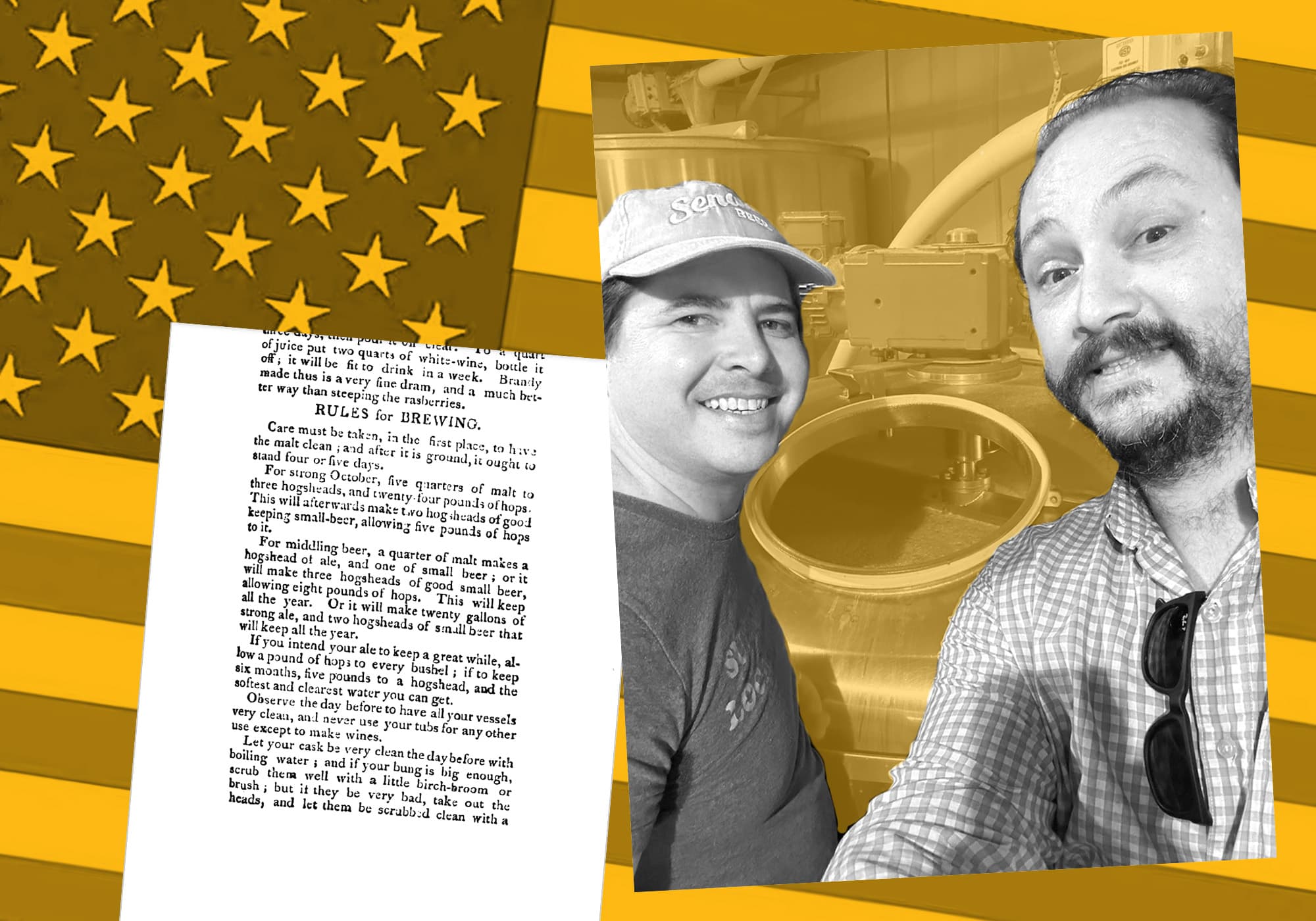
As we celebrate the 250th anniversary of American independence, nothing seems more fitting than to take a look back at the earliest days of American brewing in the revolutionary era, guided by two brewers who’ve done the historical work and found ways to make that history relevant in our modern beer context.
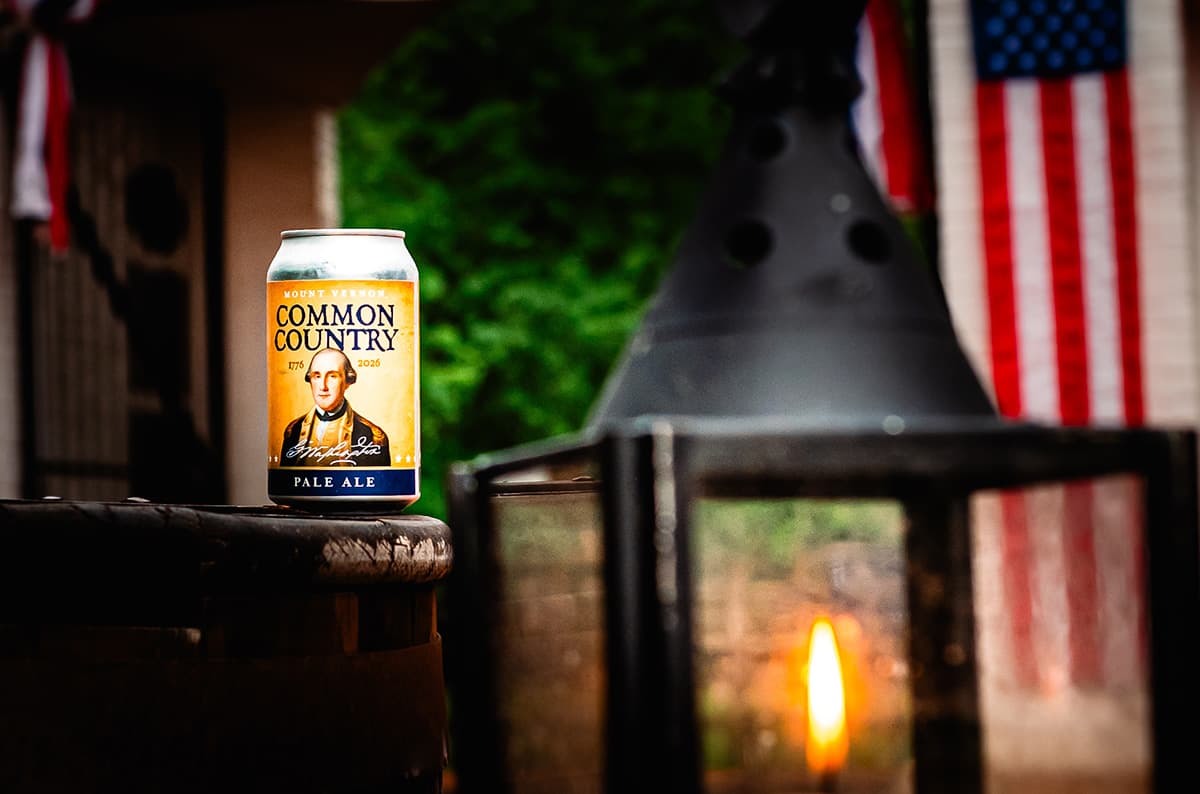
This colonial-era pale ale recipe—a collaboration with Mount Vernon to celebrate the 250th anniversary of the Declaration of Independence—takes a page right out of Martha Washington’s cookbook.
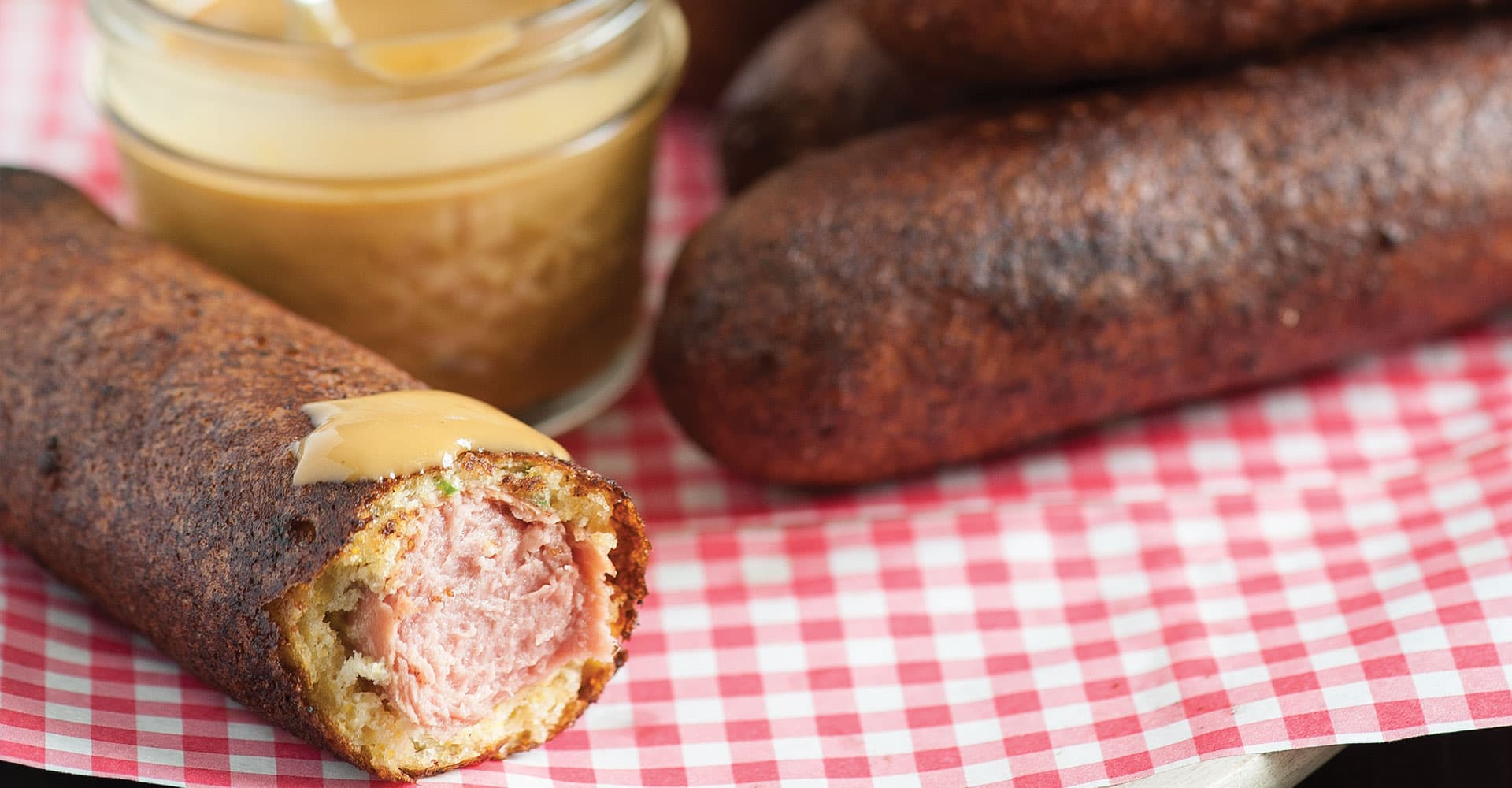
Bring a spicy dimension to summertime festivities with your favorite dogs fried golden-brown in a jalapeño-IPA batter.
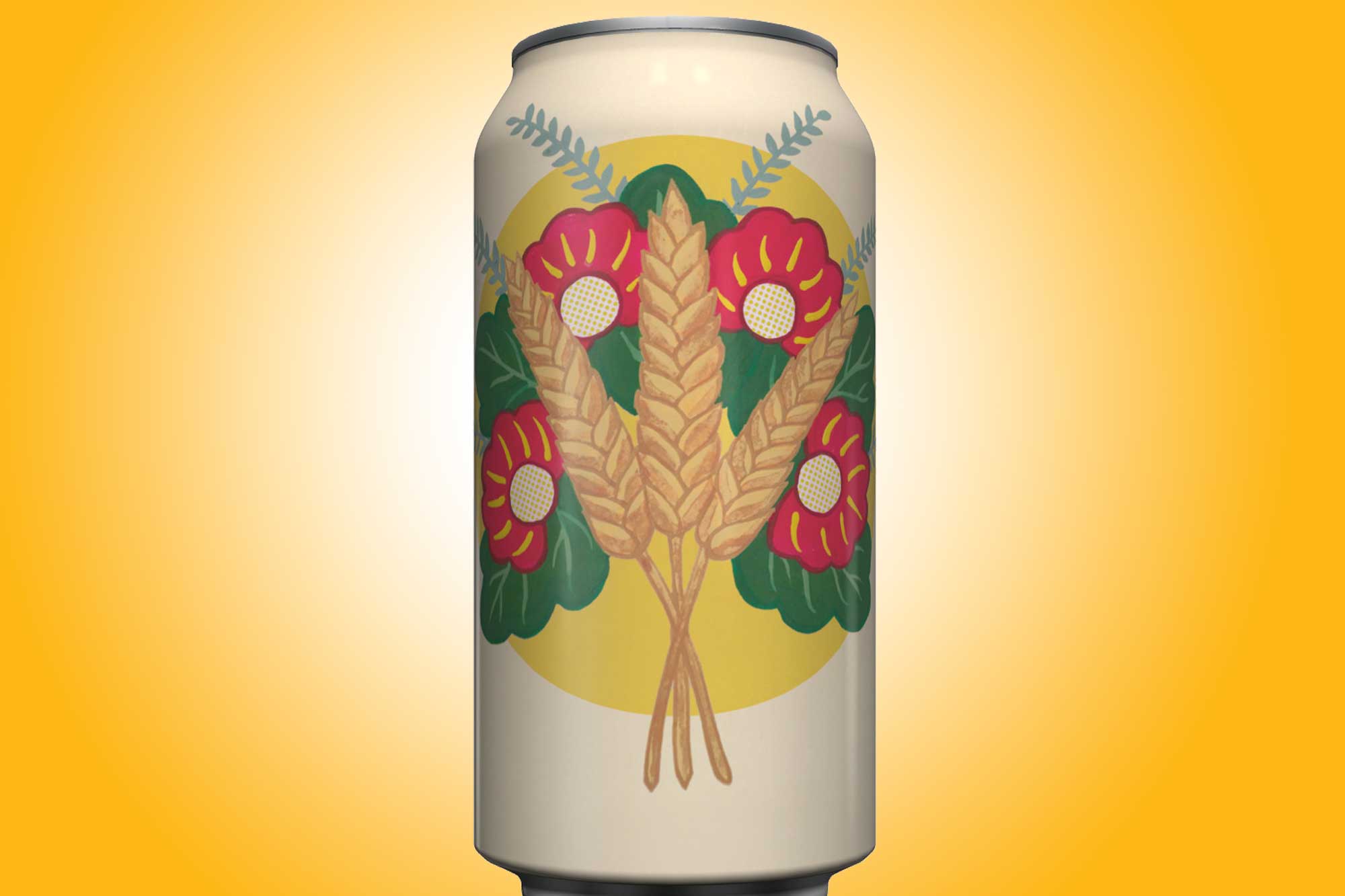
Inspired by Belgian grisette, Creature Comforts in Athens, Georgia, labels this a “country wheat beer,” describing it as dry, grassy, herbal, and slightly fruity.
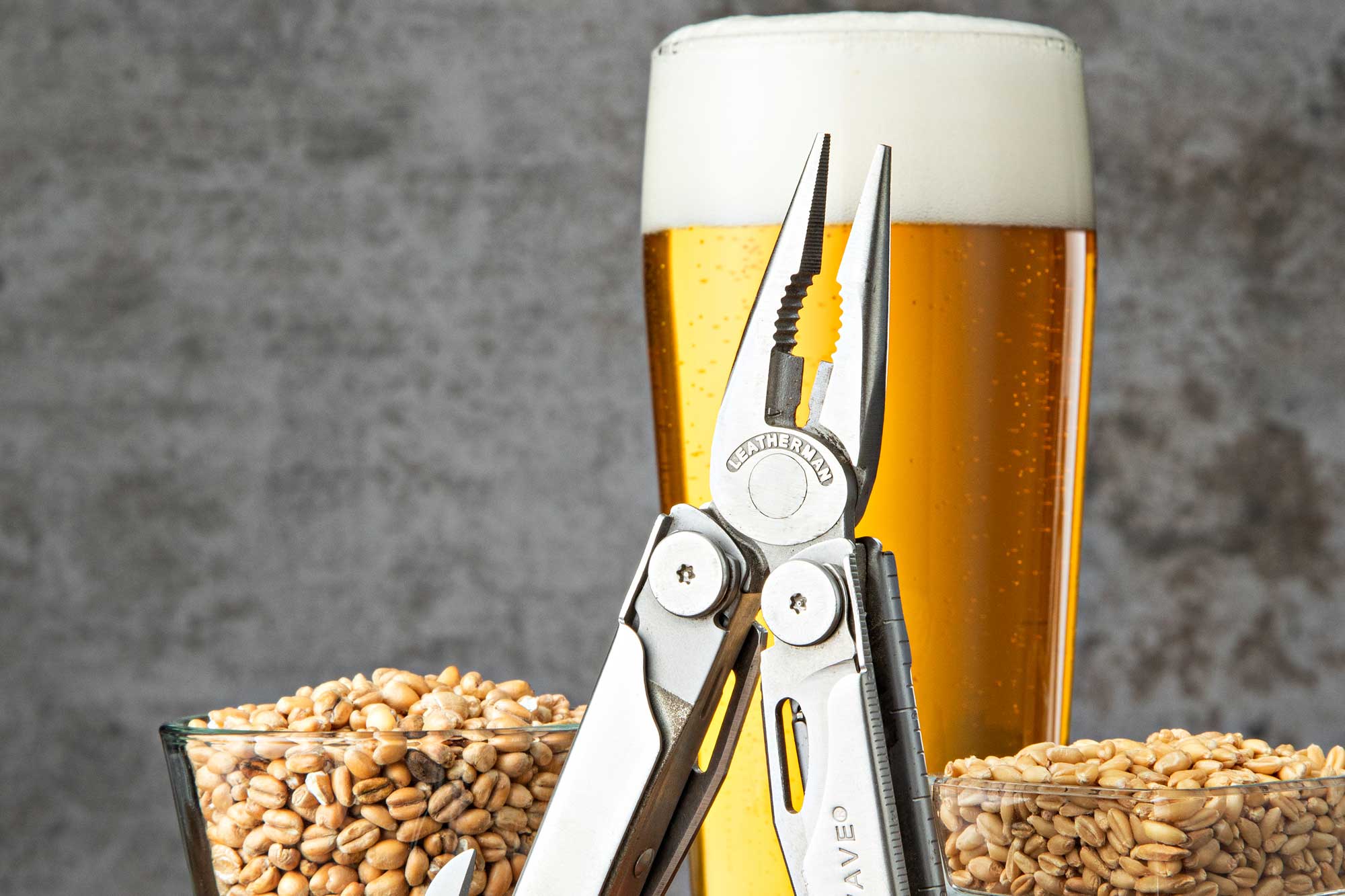
A bit of wheat is hard to beat—and it shows up in a bunch of today’s most popular beers and styles, even if most drinkers have no idea it’s there. Well beyond wheat beers and weizens, the golden grain has become one of the most useful ingredients in the modern craft brewery.
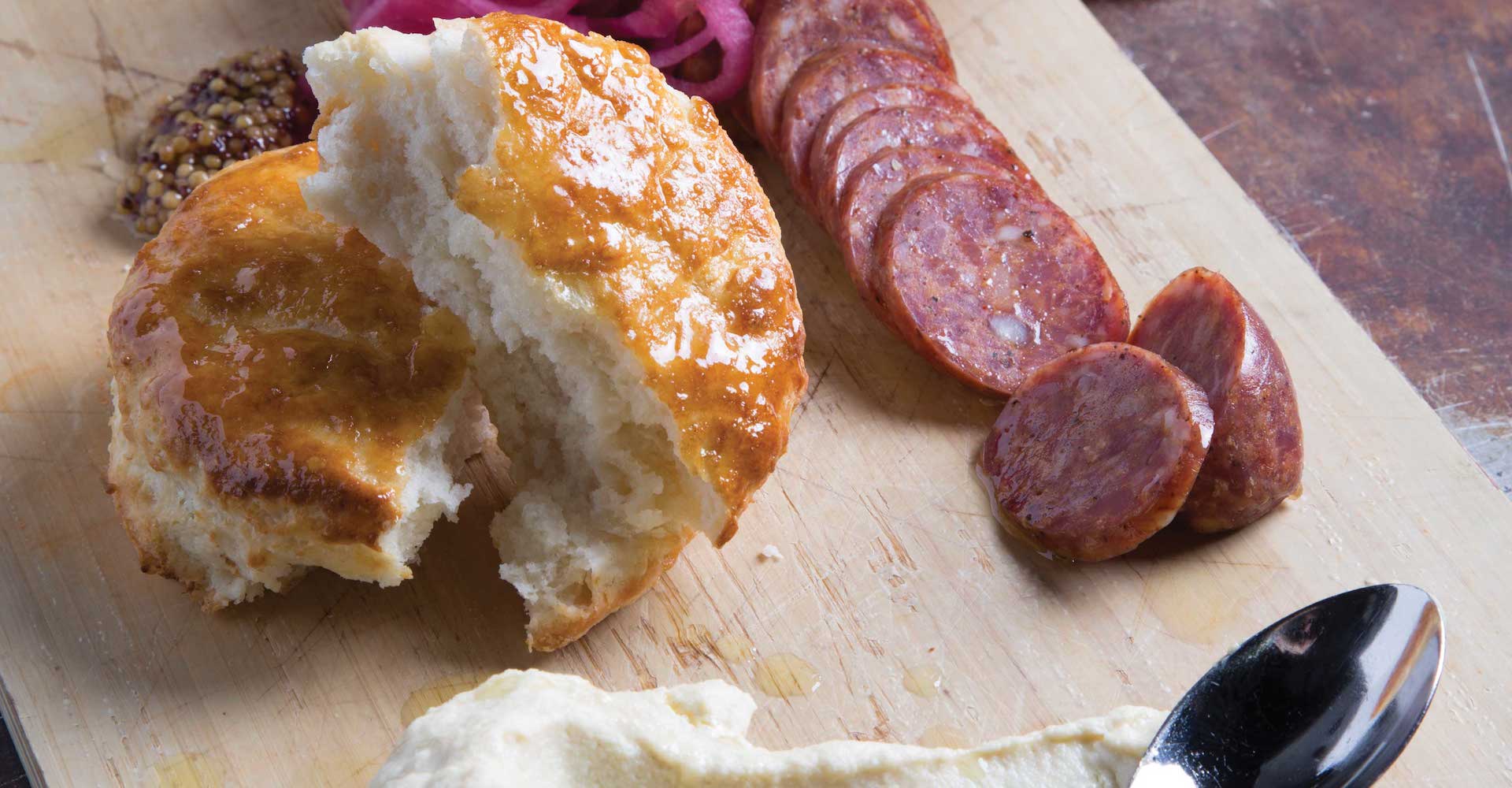
Let the neighbors grill their wieners. For a charcuterie board that can blow away your next festive gathering, get ready to make your own summer sausage, and prep this delicious and addictive cheese spread plus pickles and biscuit to go with it.

Delicious fried chicken and an artful take on comfort food may be the primary draws for this Colorado restaurant chain, but the award-winning beer is no afterthought. With six top-flight medals over the past six years, they’re proving that smaller beers designed to be enjoyed with food have an enduring place in craft brewing.

It’s helpful to develop a common vocabulary to describe what we sense in our beer, but it’s even more helpful to understand the chemistry underlying those aromas and flavors. Here’s a primer.
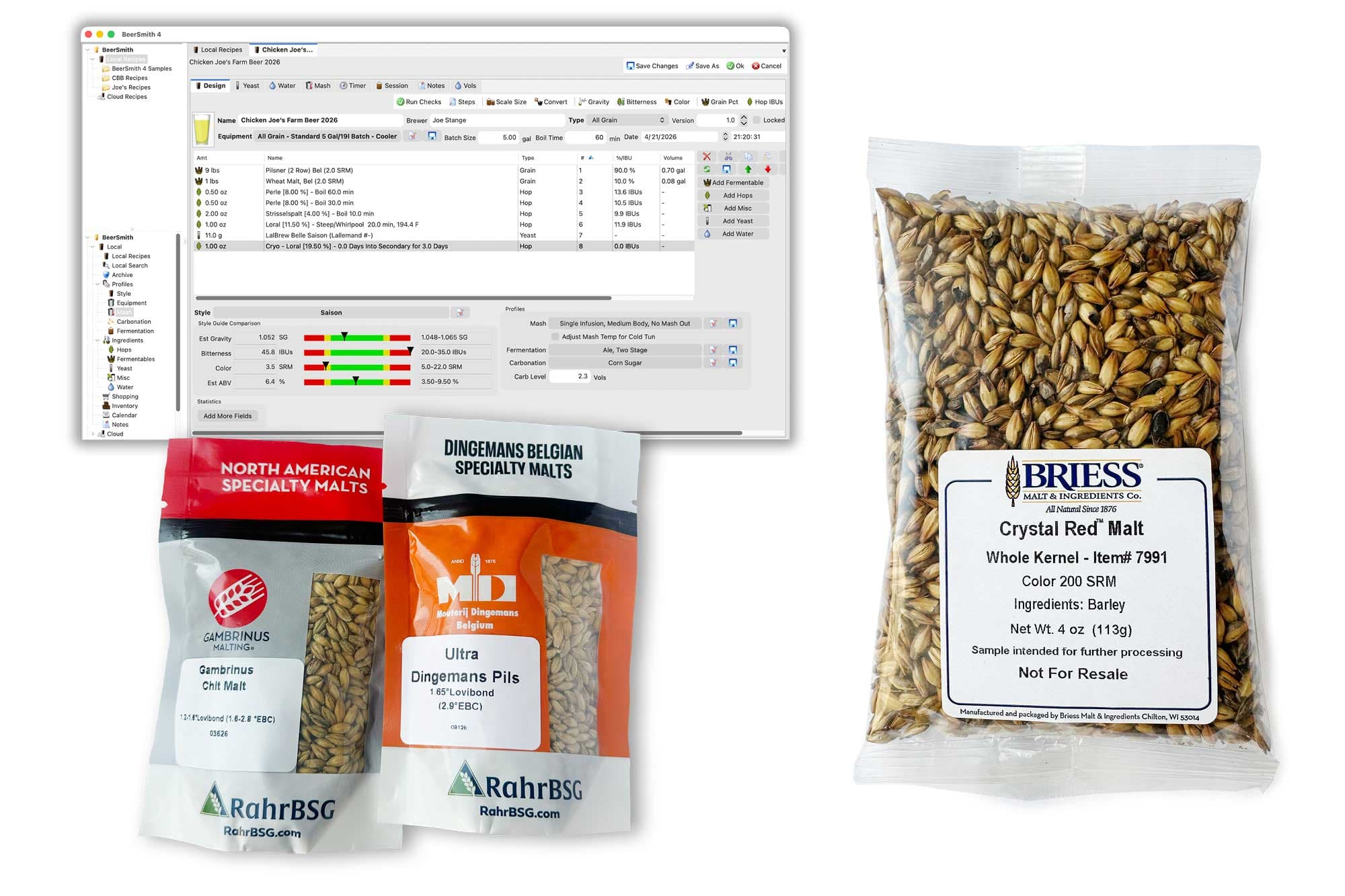
From helpfully updated software to usefully colored malts, here are a few recent recs from our editorial team.
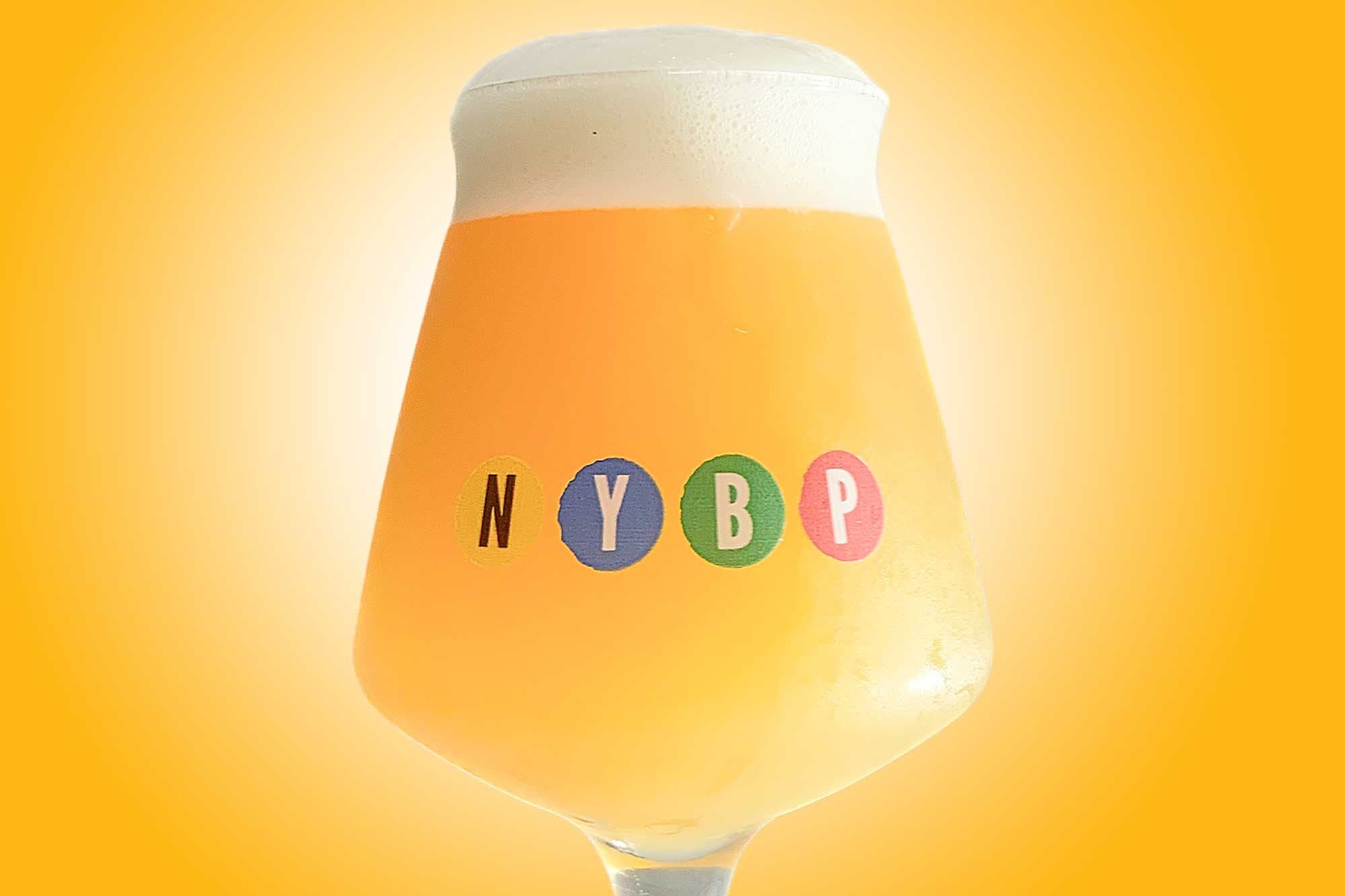
From New York Beer Project in Victor, New York, head brewer John Hyman shares this recipe for the experimental New England–style IPA that won back-to-back golds at the Great American Beer Festival. Besides hops selected for their bright, fruit-forward flavors, Hazy Crush features a cold-side addition of dried fruit and hibiscus flowers.
Latest Recipes
View All →Latest Courses
View All →
Latest Podcasts
View All →Latest Topics
View All →
Brewing Tools
View All →Get the Newsletter
Subscribe →Get tips and new content delivered weekly to your inbox.